

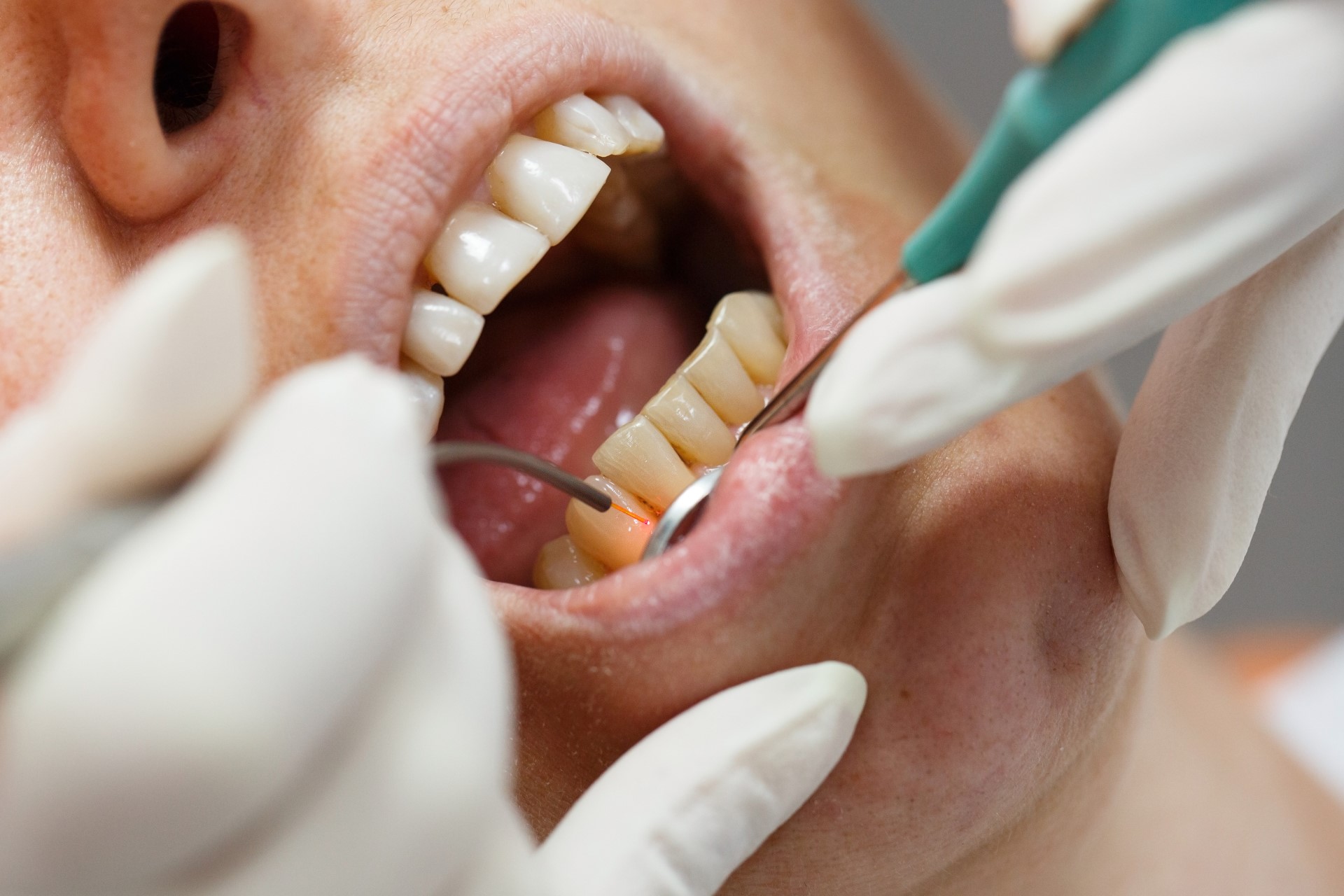
If you have a serious gum infection, your dentist may recommend New York periodontal surgery. This dental procedure is designed to address severe periodontal diseases by eliminating bacteria from beneath your gums, preventing further gum damage, reshaping the bones that support your teeth, or making it easier to clean your teeth. Here is everything you should know in the lead-up to the procedure.
Who Is Eligible for Periodontal Surgery?
Gum surgery is reserved for patients with advanced disease in their gums or the tissues and bones that support their teeth. Some symptoms you may need this procedure include:
- Chronic bad breath even with good oral hygiene
- Red, swollen, or bleeding gums
- Loose teeth
- Formation of deep pockets between your teeth and gums
- Pain when chewing
- Receding gums
Not all gum problems require surgery and your dentist will usually recommend other interventions for mild cases. Only when the problem is severe and advanced will you qualify for periodontal surgery.
Preparing for Surgery
Your dentist may ask you to stop taking some medications several weeks before your procedure, including blood thinners and pain relievers. You will also need to avoid drinking alcohol or smoking at least 24 hours before your surgery. To reduce the risk of infection, your dentist may give you an antibiotic. You will need to arrange for someone to take you home after the procedure.
During the Surgery
Periodontal surgery is performed by a dentist or periodontist and there are different types of procedures for different problems. During the consultation, your dentist will have determined the best surgical option for your problem. The most common procedure is flap surgery, where your dentist makes small incisions in your gums and lifts a section back to remove bacteria and tartar from under your gums before suturing your gums back. Other options include
- Guided tissue regeneration
- Bone grafting
- Soft tissue grafts to treat receding gums
- Crown lengthening
In most cases, periodontal surgery lasts about 2 hours. You will be partially or fully asleep during the procedure, depending on different factors. The injection of the local anesthetic into the gums can be mildly uncomfortable but you will not feel a thing afterward.
Post-Procedure Care
After the surgery, your dentist will have you back in 7 to 10 days to remove the stitches. Meanwhile, you may experience increased sensitivity, mild bleeding, and swelling. You need to be careful for the first few days and follow your dentist’s instructions to avoid agitating the surgery site. Take your prescribed medication, avoid smoking, and drink a lot of fluids. In some instances, your dentist will prescribe an antibacterial mouthwash and ask you to limit your diet to soft foods like pudding, mashed potatoes, and soup for a given period. Also, you may need to avoid flossing on some areas of your mouth.
When gum disease fails to alleviate after conservative treatments, your dentist might recommend periodontal surgery to improve your oral health and prevent the spread of infection. Daniel Wank, DDS is an experienced general and cosmetic dentist who offers several types of this procedure, including crown lengthening, deep pocket cleanings, and bone grafts. If you suspect you might be eligible for periodontal surgery, call his Upper East Side, New York City, New York office to set an appointment.
