

Influenza and pneumonia can strike hard and fast, often leading to severe respiratory issues. These illnesses can be life-threatening, but pulmonologists step in to save lives. They focus on the lungs and respiratory system. With their expertise, they diagnose and treat these infections effectively. Pulmonologists employ various strategies, from prescribing medication to recommending breathing aids like hawaii CPAP machines. These approaches help patients breathe easier and recover faster. Understanding their role is crucial in appreciating how pulmonologists contribute to our well-being.
The Role of Pulmonologists
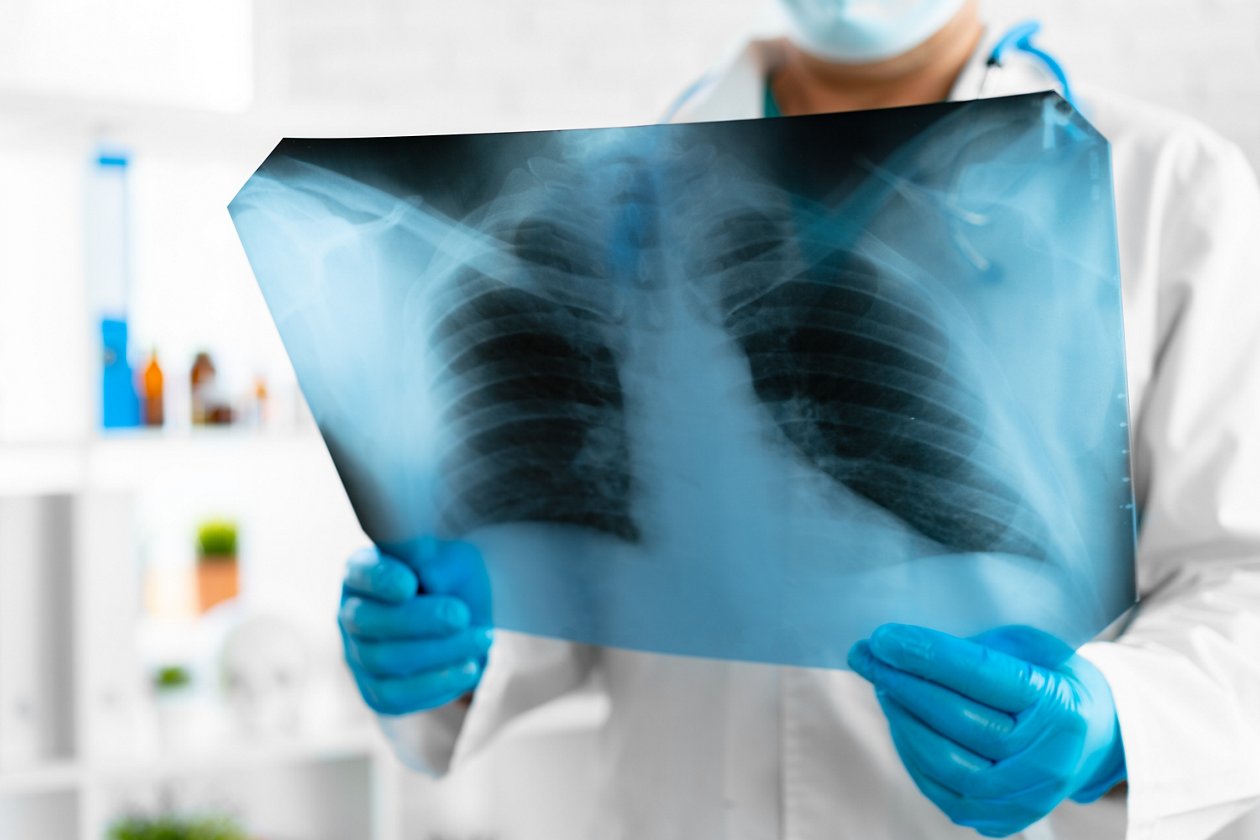
Pulmonologists are doctors who specialize in lung and respiratory conditions. They play a vital role in managing illnesses like influenza and pneumonia. By conducting thorough examinations and using tests such as chest X-rays, they determine the best course of action for each patient. Their goal is to improve lung function and overall health.
Treatment Approaches
There are several treatments available for influenza and pneumonia. Pulmonologists often use a combination of medication and supportive therapies. Here are three key strategies:
- Antiviral Medication: For influenza, antiviral drugs can reduce symptoms and shorten the duration of the illness.
- Antibiotics: These are used for bacterial pneumonia to eliminate the infection.
- Breathing Support: Devices such as oxygen therapy or CPAP machines help maintain proper oxygen levels.
Influenza vs. Pneumonia: A Quick Comparison
While both influenza and pneumonia affect the respiratory system, they differ in several ways. Here is a simple comparison:
| Factor | Influenza | Pneumonia |
|---|---|---|
| Cause | Virus | Bacteria, Virus, or Fungi |
| Symptoms | Fever, Cough, Sore Throat | Chest Pain, Cough, Fever |
| Treatment | Antivirals | Antibiotics, Antivirals |

Preventive Measures
Preventing these illnesses is often better than treating them. Here are three preventive measures:
- Vaccination: Annual flu shots reduce the risk of influenza. Pneumonia vaccines are also available for certain populations. Visit the CDC’s vaccine page for more information.
- Hygiene Practices: Washing hands and covering the mouth when coughing can prevent the spread of viruses.
- Healthy Lifestyle: A balanced diet and regular exercise strengthen the immune system.
When to See a Pulmonologist
It’s important to consult a pulmonologist when experiencing prolonged respiratory issues. Symptoms warranting a visit include a persistent cough, difficulty breathing, and unexplained weight loss. Early intervention can prevent complications and promote faster recovery. For more details on when to seek medical help, check out this MedlinePlus guide.
The Future of Pulmonary Care
Advancements in medical technology continue to improve the care offered by pulmonologists. Research is ongoing in developing better treatments and preventive measures. With these advancements, the prognosis for patients with respiratory illnesses looks promising.
Pulmonologists are crucial in the battle against influenza and pneumonia. Their expertise and dedication help countless individuals recover and live healthier lives. Understanding their role and the treatments involved is essential in appreciating the care they provide.
