

Key Takeaways
Consulting an endometriosis specialist in Portland can help patients receive a more accurate diagnosis and distinguish endometriosis from conditions with similar symptoms.
Specialized care allows treatment plans to be customized around symptoms, health history, lifestyle, and reproductive goals.
Persistent pelvic pain, heavy menstrual bleeding, pain during intercourse, bowel or bladder discomfort, and unexplained fertility concerns can indicate the need for specialist evaluation.
Specialists can use a combination of medical treatments, physical therapy, lifestyle strategies, and other approaches to help manage symptoms.
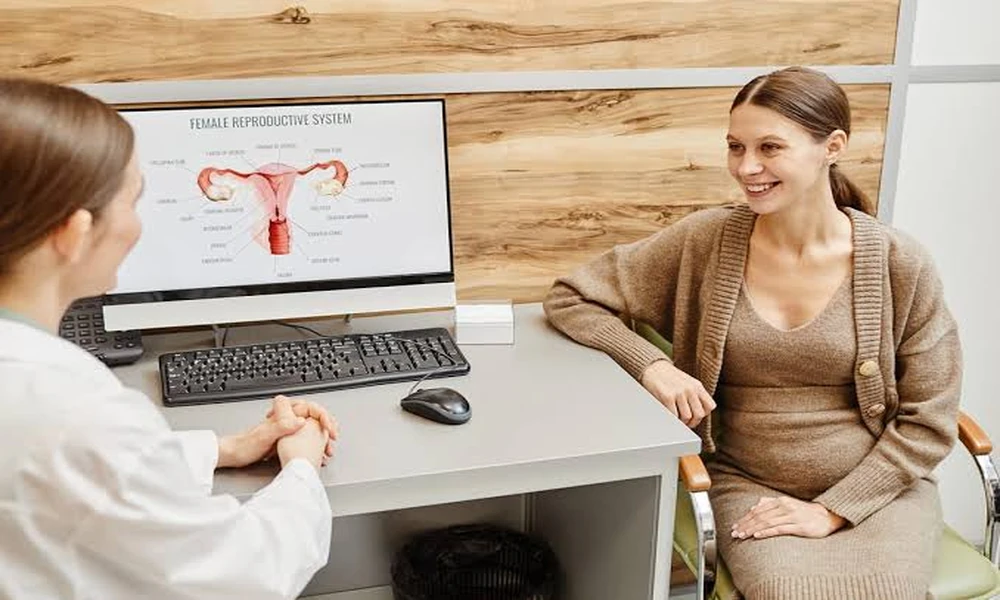
A first consultation typically involves a detailed review of symptoms and medical history, followed by appropriate diagnostic testing when necessary.
Diagnostic approaches may include pelvic examinations and imaging, while laparoscopy may be used when a definitive diagnosis or direct assessment is needed.
Ongoing follow-up allows treatment plans to be adjusted as symptoms and individual needs change.
Specialized support can help patients better understand endometriosis and make informed decisions about long-term symptom and reproductive health management.
Why Specialized Care Matters for Endometriosis Treatment
The Impact of Accurate Diagnosis on Long-Term Health
Endometriosis can be difficult to identify because its symptoms may resemble other pelvic conditions, including ovarian cysts or fibroids. This makes an accurate diagnosis an important first step toward appropriate care. Consulting an endometriosis specialist in Portland can give patients access to focused expertise in evaluating persistent pelvic pain and other symptoms associated with the condition.
An accurate diagnosis can help patients avoid unnecessary treatments and better understand what may be contributing to their symptoms. It can also help guide conversations about fertility, pain management, and long-term care. Because symptoms and disease severity can vary significantly from one person to another, specialist evaluation can provide a clearer foundation for treatment decisions.
How Personalized Treatment Plans Enhance Patient Outcomes
There is no single treatment plan that works for every person with endometriosis. A specialist can consider symptoms, medical history, reproductive goals, previous treatments, and personal preferences when developing a care strategy.
Treatment may involve medication, lifestyle adjustments, physical therapy, or surgical options when appropriate.
- Individualized Care: Addresses the patient’s specific symptoms and circumstances.
- Integrated Treatment: Combines appropriate approaches rather than relying on one solution.
- Ongoing Monitoring: Allows treatment to be adjusted as symptoms or health needs change.
Personalized care can help patients better understand their condition and participate more confidently in decisions about their health.
Recognizing the Signs That You Should See an Endometriosis Specialist
Persistent Symptoms Should Not Be Ignored
Severe or recurring symptoms can interfere with work, relationships, exercise, and everyday activities. While menstrual discomfort can be common, persistent or severe pain deserves appropriate medical attention.
Signs that may warrant specialist evaluation include:
- Chronic pelvic pain that does not improve with common pain-relief measures.
- Heavy menstrual bleeding or bleeding between periods.
- Pain during or after sexual activity.
- Pain or difficulty associated with bowel movements or urination, particularly around menstruation.
- Fertility difficulties without an obvious explanation.
Recognizing these symptoms early can encourage patients to seek appropriate evaluation instead of continuing to manage unexplained discomfort on their own.
How Specialists Help Manage Pain and Discomfort
Endometriosis-related pain can require more than a single treatment approach. Specialists may consider hormonal medications, pain-management strategies, physical therapy, and lifestyle recommendations based on each patient’s circumstances.
- Targeted Therapies: Treatments may focus on reducing symptoms and controlling disease-related discomfort.
- Pelvic Physical Therapy: Specialized therapy may help address muscle tension and pelvic pain.
- Supportive Care: Education and emotional support can help patients cope with the challenges of chronic symptoms.
The goal is to create a sustainable management strategy that addresses the patient’s overall quality of life.
Understanding What Happens During Your First Specialist Visit
Preparing for a Thorough Consultation
Visiting a specialist for the first time can feel overwhelming, but preparation can make the appointment more productive. Patients can bring information about their menstrual cycle, pain patterns, previous diagnoses, medications, surgeries, and other relevant health history.
Writing down questions before the appointment can also help ensure important concerns are discussed. Details that may seem minor could provide useful information when the specialist evaluates the overall pattern of symptoms.
Diagnostic Tests and Their Purpose
Depending on the patient’s symptoms and medical history, a specialist may recommend different diagnostic approaches. These can include a pelvic examination, ultrasound, or other imaging. In certain circumstances, laparoscopy may be considered to directly examine the pelvic area.
- Pelvic Examination: May help identify tenderness or other physical findings.
- Ultrasound: Can provide images of pelvic structures and may help identify certain abnormalities.
- Laparoscopy: A minimally invasive surgical procedure that can allow direct visualization of the pelvic cavity and may be used when clinically appropriate.
The appropriate diagnostic approach depends on the individual patient. A specialist can explain why a particular test is recommended and how its findings may influence treatment.
Exploring Personalized Treatment Options
Why Individual Treatment Strategies Matter
Endometriosis can affect patients differently, so treatment should reflect individual circumstances. Some patients may primarily need symptom management, while others may have concerns involving fertility, recurring pain, or previous unsuccessful treatments.
A specialist can discuss the potential benefits and limitations of available options. Depending on the situation, treatment may include medications, hormonal therapy, physical therapy, lifestyle adjustments, or surgery.
Balancing Symptom Management and Long-Term Goals
Effective care should consider more than immediate pain relief. Patients may also have long-term goals involving fertility, daily activities, and overall quality of life.
Open communication helps specialists understand what matters most to each patient. This allows treatment decisions to account for both current symptoms and future priorities.
Getting Expert Guidance for Fertility Concerns
Understanding the Connection Between Endometriosis and Fertility
Endometriosis can affect fertility in some patients, although not everyone with the condition experiences fertility problems. For individuals who are trying to conceive or are concerned about future fertility, specialized evaluation can provide valuable information.
A specialist can discuss how endometriosis may relate to reproductive health and explain potential treatment or referral options based on the individual’s circumstances.
Planning Care Around Reproductive Goals
Fertility goals can influence treatment decisions. Patients who are planning a pregnancy may have different priorities from those primarily focused on controlling pain or managing menstrual symptoms.
Discussing these goals early allows patients and their healthcare providers to consider treatment strategies that align with their broader plans.
Benefiting From Ongoing Support and Follow-Up
Why Endometriosis Management Is an Ongoing Process
Managing endometriosis does not necessarily end after an initial diagnosis or treatment. Symptoms can change over time, and treatment effectiveness may vary. Regular follow-up gives specialists an opportunity to assess progress and make adjustments when necessary.
Depending on symptoms and treatment, follow-up appointments may occur periodically throughout the year.
Education and Support Make a Difference
Living with recurring symptoms can be challenging. Reliable education can help patients understand their condition and participate more effectively in treatment decisions.
Ongoing specialist support may include:
- Regular Check-Ins: Monitoring symptoms and treatment response.
- Patient Education: Helping individuals understand available management options.
- Coordinated Care: Working with other healthcare professionals when additional support is needed.
This continued relationship can help patients feel more informed and supported throughout their treatment journey.
Accessing a Comprehensive Approach to Endometriosis Care
Combining Different Areas of Expertise
Endometriosis can involve multiple aspects of health, which means some patients may benefit from care involving more than one type of healthcare professional. Depending on individual needs, treatment may involve gynecological care, pelvic physical therapy, pain management, nutrition guidance, or reproductive specialists.
Coordinating appropriate services can provide a more complete approach to managing symptoms and improving daily functioning.
Addressing More Than Physical Symptoms
Endometriosis can affect work, relationships, exercise, sleep, and emotional well-being. A comprehensive treatment strategy considers these broader effects rather than focusing exclusively on physical pain.
Patients should feel comfortable discussing how symptoms affect their everyday lives so their care team can better understand the full impact of the condition.
Building a Long-Term Plan for Better Quality of Life
Adjusting Treatment as Needs Change
One of the advantages of specialist care is the ability to reassess treatment over time. Changes in symptoms, medications, reproductive goals, or other health circumstances may require modifications to an existing plan.
Regular evaluations can help identify whether the current approach remains appropriate or whether another strategy should be considered.
Taking an Active Role in Your Care
Patients can contribute significantly to effective long-term management by tracking symptoms, following treatment recommendations, asking questions, and communicating changes to their healthcare provider.
Specialized care is ultimately a collaborative process. When patients and specialists work together, decisions can be based on current symptoms, individual goals, and available treatment options.
FAQ
What types of specialists treat endometriosis?
Gynecologists with experience in endometriosis commonly evaluate and treat the condition. Depending on a patient’s symptoms and goals, care may also involve reproductive specialists, pelvic physical therapists, pain-management professionals, or other healthcare providers.
What symptoms should prompt someone to see an endometriosis specialist?
Persistent pelvic pain, severe menstrual pain, heavy bleeding, pain during intercourse, bowel or bladder discomfort associated with menstruation, and unexplained fertility difficulties can all warrant medical evaluation.
How is endometriosis diagnosed?
Evaluation may involve a medical history, physical or pelvic examination, ultrasound, and other imaging. In some cases, laparoscopy may be considered to directly examine the pelvic cavity.
Can endometriosis affect fertility?
Endometriosis can contribute to fertility difficulties in some patients, but it does not mean that every person with the condition will experience infertility. A specialist can discuss individual reproductive concerns and appropriate options.
What treatments are available for endometriosis?
Treatment varies depending on symptoms and individual goals. Options can include medications, hormonal treatments, pain-management approaches, physical therapy, lifestyle strategies, and surgery when clinically appropriate.
Can lifestyle changes help manage endometriosis symptoms?
Lifestyle strategies may complement medical treatment for some patients. Regular physical activity, adequate rest, stress-management techniques, and a balanced diet may support overall well-being, although they should not replace professional medical care.
How often should someone see an endometriosis specialist?
Follow-up schedules depend on symptoms, treatment, and individual circumstances. Some patients may need more frequent appointments during periods of active treatment, while others may require periodic monitoring.
Why choose a specialist instead of relying only on general care?
A specialist with focused experience in endometriosis may be better positioned to recognize complex symptom patterns, discuss specialized treatment options, and coordinate care when symptoms require additional expertise.
