

Constant Sinus Pressure? Here’s How Specialists Are Fixing It for Good
Persistent sinus pressure can interfere with daily life, causing discomfort to debilitating pain. In Singapore, where the humid climate often worsens nasal congestion and allergies, people regularly deal with sinus-related conditions that refuse to go away. Fortunately, ENT professionals are taking advanced approaches to diagnosis and sinus treatment in Singapore, addressing the problem at its root rather than simply masking the symptoms.
Understanding What Causes Sinus Pressure
Sinus pressure typically results from blocked sinus passages. These air-filled cavities become inflamed or filled with fluid due to infections, allergies, or structural issues. The result is a heavy or tight sensation around the eyes, forehead, and cheeks, sometimes accompanied by headaches, fatigue, and nasal discharge.
When these symptoms persist, general remedies like steam inhalation and over-the-counter medication may offer temporary relief but fail to resolve the underlying issue. This is where a sinus specialist in Singapore steps in with a more targeted strategy based on medical imaging, nasal endoscopy, and allergy testing.
Nasal Endoscopy for Precise Evaluation
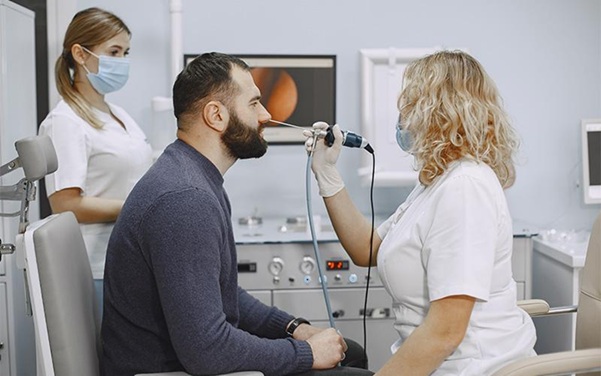
One of the core diagnostic tools used by sinus specialists is nasal endoscopy. This procedure reveals inflammation, structural abnormalities, or infection sources that go unnoticed in a routine examination.
Unlike external assessments, nasal endoscopy enables clear visibility of the sinus openings and mucosal health. This clarity helps specialists recommend precise treatment plans, whether the issue is related to chronic sinusitis, nasal polyps, or a deviated septum.
Advanced Imaging to Map the Sinus Anatomy
When physical examination and endoscopy raise red flags, further investigation may involve CT scans. These images provide detailed cross-sectional views of the sinuses, revealing fluid buildup, bone obstructions, or hidden infections.
Advanced imaging helps confirm whether sinus drainage pathways are blocked or whether the pressure stems from a more complex problem. This step is crucial in planning surgical interventions or determining the extent of disease before initiating more aggressive treatment.
Medical Therapy as a First Line of Treatment
For most patients, non-invasive management remains the initial approach. Medical therapy includes a combination of nasal corticosteroid sprays, antihistamines, saline irrigation, and antibiotics where bacterial infection is present.
When used consistently under medical supervision, these treatments can offer significant relief. However, success depends on accurate diagnosis and patient adherence. A sinus specialist in Singapore will also advise lifestyle changes, such as controlling environmental allergens or addressing nasal hygiene, to improve outcomes.
Functional Endoscopic Sinus Surgery (FESS)
For those who do not respond to medication, functional endoscopic sinus surgery offers a minimally invasive option. During this procedure, surgeons use an endoscope to remove blockages and enlarge sinus openings, allowing natural drainage to resume.
Unlike traditional surgery, FESS is performed through the nostrils without external incisions. Recovery is generally quick, and the results are long-lasting when performed on appropriately selected patients. This method has become the standard for treating chronic sinusitis and recurrent infections, especially when structural problems are involved.
Balloon Sinuplasty: A Gentler Option
Balloon sinuplasty utilizes a small balloon catheter to open blocked pathways. The procedure preserves the natural tissue and structure, resulting in minimal bleeding and a faster return to daily activities.
This procedure is for individuals who want less invasive solutions than surgery for their sinusitis. It can even be performed in-clinic under local anaesthesia, making it accessible and convenient for those with busy schedules.
Learn More: Can Sinus Infections Lead To Dizziness? Let’s Explore The Link
Post-Treatment Maintenance and Follow-Up
Long-term relief from sinus pressure depends on more than just the procedure. Aftercare plays a major role. Patients are usually prescribed nasal rinses, anti-inflammatory medications, or antihistamines, depending on the cause of their sinus problem.
Regular follow-up with a sinus specialist ensures that symptoms do not return and that healing is progressing as expected. ENT professionals also monitor for the development of complications or new triggers that could reignite the issue, particularly in patients prone to allergies or recurrent infections.
Taking a Specialist’s Advice Seriously
In Singapore, ENT clinics handling sinus care provide structured protocols supported by extensive clinical experience. Patients who act early tend to see better results than those who wait for symptoms to worsen. Persistent sinus pressure is rarely just a mild inconvenience—it can signal chronic conditions that, if left unchecked, may impact one’s long-term health.
Working with a sinus specialist in Singapore means having access to both conventional and cutting-edge solutions. It’s about understanding the problem in detail and choosing a treatment that eliminates pressure at the source.
For more information about ENT care solutions, contact The ENT Practice today.


