

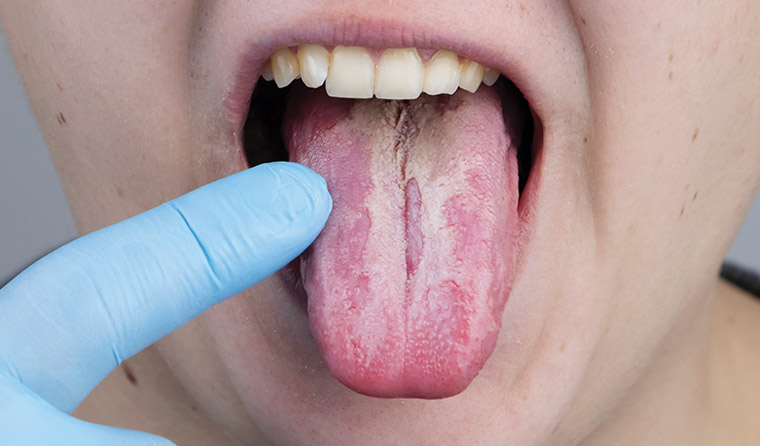
Maintaining good oral health is crucial for overall well-being, and viral infections can pose a significant threat to this delicate balance. As a dentist in Leesburg, VA, it’s essential to recognize the oral manifestations of viral infections, which can range from mild symptoms like cold sores and mouth ulcers to more severe conditions like oral cancer. Viral infections can affect anyone, regardless of age or health status, making it vital for individuals to be aware of the risks and take proactive steps to protect their oral health.
In this article, we’ll explore the common oral manifestations of viral infections, their causes, symptoms, and treatment options, and discuss why regular dental check-ups with a qualified dentist are essential for maintaining optimal oral health.
Common Oral Manifestations of Viral Infections
Here is a list of common oral manifestations of viral infections:
- Herpes Simplex Virus (HSV): HSV is a common viral infection that can cause cold sores, fever blisters, and oral herpes. The virus can cause painful blisters and ulcers on the lips, tongue, and gums.
- Human Papillomavirus (HPV): HPV is a viral infection that can cause oral warts, oral cancer, and other oral lesions. The virus can cause abnormal cell growth, leading to the development of oral cancer.
- Cytomegalovirus (CMV): CMV is a viral infection that can cause oral ulcers, gum disease, and other oral manifestations. The virus can cause inflammation and damage to the oral tissues.
- Hepatitis B and C: Hepatitis B and C are viral infections that can cause oral manifestations, including oral ulcers, gum disease, and oral cancer.
Causes and Risk Factors
Viral infections can be caused by a variety of factors, including:
- Viral transmission: Viral infections can be transmitted through contact with an infected person, contaminated food and water, or infected bodily fluids.
- Weakened immune system: Individuals with weakened immune systems, such as those with HIV/AIDS or undergoing chemotherapy, are more susceptible to viral infections.
- Poor oral hygiene: Poor oral hygiene can increase the risk of viral infections, as bacteria and viruses can accumulate in the mouth.
- Smoking and tobacco use: Smoking and tobacco use can increase the risk of oral cancer and other oral manifestations of viral infections.
Symptoms and Diagnosis
The symptoms of viral infections can vary depending on the specific virus and the individual affected. Common symptoms include:
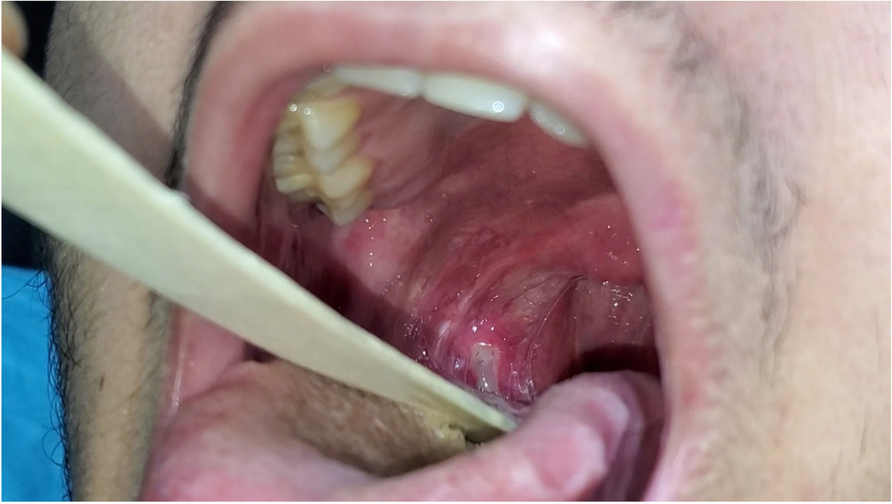
- Oral ulcers and lesions: Painful ulcers and lesions can develop on the lips, tongue, and gums.
- Fever and swollen lymph nodes: Fever and swollen lymph nodes can occur in response to the viral infection.
- Fatigue and malaise: Fatigue and malaise can occur as the body fights off the viral infection.
- Oral pain and discomfort: Oral pain and discomfort can occur due to the viral infection.
Effective Treatment Options
Treatment options for viral infections vary depending on the specific virus and the severity of the infection. Common treatment options include:
- Antiviral medications: Antiviral medications can help reduce the severity and duration of the infection.
- Pain management: Pain management medications, such as acetaminophen and ibuprofen, can help alleviate oral pain and discomfort.
- Oral care: Good oral care, including regular brushing and flossing, can help prevent the spread of the infection.
- Surgery: In some cases, surgery may be necessary to remove severe, large, deep-seated oral lesions or ulcers.
Bottom Line
Viral infections can have a significant impact on oral health, causing a range of symptoms and conditions that can affect the mouth, teeth, and gums. Understanding the causes, symptoms, diagnosis, and treatment options for viral infections is essential for providing effective care and prevention strategies. By practicing good oral hygiene, avoiding close contact with infected individuals, and seeking medical attention promptly, individuals can reduce their risk of developing viral infections and promote optimal oral health.
