

Post Preview
Introduction
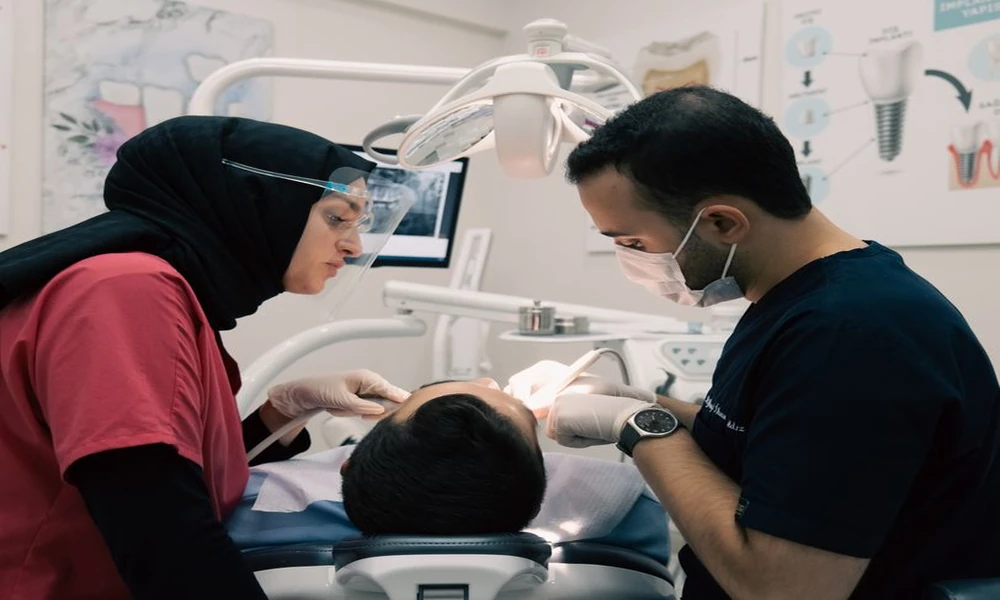
A healthy, confident smile is more than just a pretty feature. It plays a big part in our overall well-being and how we feel every day. For many years, dentistry focused mainly on fixing problems. But today, advanced dental care offers much more.
Modern dental practices combine cutting-edge technology with deep expertise. This means they can prevent issues, restore damaged teeth, and create stunning smiles. They also focus on your comfort and long-term health.
In this extensive guide, we will explore advanced dental care. We will look at the wide range of services and specialized treatments available. We will discover how new technologies improve outcomes and patient comfort. Finally, we will discuss how these practices ensure ethical, patient-centered care and make treatment accessible.
The Pillars of Advanced Dental Care and Specialty Services
Advanced dental care is characterized by a holistic approach, integrating various dental disciplines to provide comprehensive and specialized treatments. This goes beyond routine check-ups, encompassing a broad spectrum of services designed to address every aspect of oral health and aesthetics.
At the core, advanced practices offer robust preventative dentistry, focusing on proactive measures to maintain oral health and ward off disease. This includes thorough cleanings, detailed examinations, and personalized oral hygiene education. Beyond prevention, cosmetic restoration aims to enhance the appearance of teeth and gums, utilizing techniques like teeth whitening, porcelain veneers, and gum contouring to craft aesthetically pleasing smiles.
Restorative dentistry is crucial for repairing damaged or missing teeth, employing solutions such as tooth-colored fillings, crowns, and bridges to restore function and integrity. Within this, prosthodontics stands out as a specialized field dedicated to the restoration and replacement of teeth and jaw structures, often involving complex cases like full-mouth reconstruction.
For issues affecting the tooth’s interior, endodontics focuses on root canal treatments to save infected or damaged teeth. When surgical intervention is required, oral surgery covers procedures from wisdom teeth removal and extractions to bone grafting and jaw corrections.
Many advanced practices also offer orthodontics, providing solutions like traditional braces and clear aligners to correct misaligned teeth and bites. For those seeking comprehensive solutions for a perfectly aligned and healthy smile, exploring options like those offered through LifeSmile’s advanced dental care can be highly beneficial. This integrated approach ensures that patients receive coordinated care for both functional and aesthetic alignment needs.
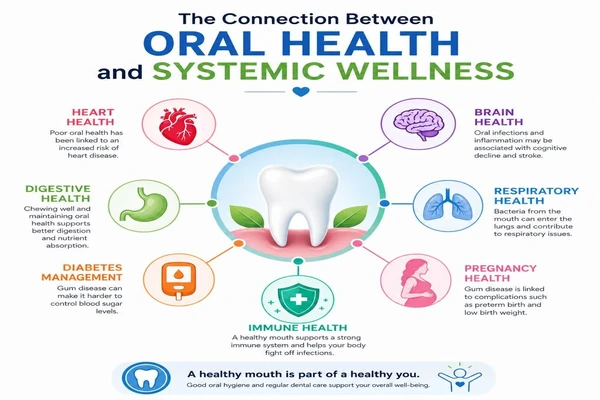
Beyond these traditional specialties, advanced care extends to contemporary treatments such as Botox for TMJ disorders, which can alleviate jaw pain and headaches, and specialized sleep apnea appliances designed to improve breathing and sleep quality, recognizing the profound connection between oral health and overall systemic well-being.
Defining Advanced Dental Care in Modern Practice
What truly defines “advanced dental care” in today’s landscape? It’s more than just offering a long list of services; it’s about the depth of expertise and the approach to patient care. A key differentiator is often the presence of specialists with advanced training, such as prosthodontist training. These doctors have undergone additional years of education beyond dental school, focusing specifically on complex restorations, dental implants, and full-mouth rehabilitation. This specialized knowledge allows them to tackle cases that might otherwise require multiple referrals to different specialists.
This expertise translates into superior clinical expertise across the entire team, from hygienists to dental assistants, who are all trained in the latest techniques and patient care protocols. Advanced practices are committed to comprehensive diagnostics, utilizing state-of-the-art tools to gain a complete understanding of a patient’s oral health, rather than just addressing isolated symptoms. This thorough assessment forms the foundation for individualized treatment plans that are tailored to each patient’s unique needs, goals, and overall health, ensuring that care is not only effective but also conservative and patient-centered.
Specialized Solutions for Complex Restorations
For patients facing significant oral health challenges, advanced dental practices offer specialized solutions that go far beyond basic fillings. Full-mouth reconstruction is a prime example, involving a series of procedures to rebuild or restore all teeth in the upper and lower jaws. This can address extensive decay, trauma, or severe bite problems, dramatically improving both function and aesthetics.
When teeth have been missing for an extended period, the jawbone can resorb, making implant placement difficult. In such cases, bone grafting procedures are performed to rebuild the bone structure, creating a stable foundation for dental implants. Another innovative technique is the Chao Pinhole surgical technique, a minimally invasive procedure for treating gum recession without incisions or sutures, offering a quicker recovery and improved comfort compared to traditional gum grafting.
Recognizing the link between oral structure and breathing, some advanced practices also focus on upper airway expansion. This involves treatments that can help widen the airway, addressing issues like sleep apnea and improving overall respiratory function, highlighting the integrated approach to health that defines advanced dental care.
How Modern Technology Transforms the Patient Experience
The integration of cutting-edge technology is perhaps the most visible hallmark of advanced dental care. These innovations are not just for show; they fundamentally improve patient safety, enhance treatment precision, and elevate the overall patient experience. From the moment you step into an advanced practice, you’ll notice how digital imaging and 3D planning have revolutionized diagnostics and treatment.
Precision Diagnostics with 3D CBCT and Digital X-Rays
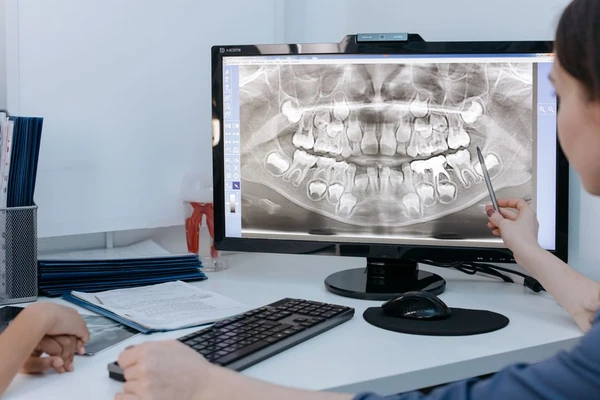
Gone are the days of guessing. Modern dentistry relies on incredibly precise diagnostic tools. 3D CBCT imaging (Cone Beam Computed Tomography) provides a comprehensive, three-dimensional view of the teeth, jawbone, nerve pathways, and surrounding structures. This detailed insight is invaluable for planning complex procedures like dental implants, root canals, and oral surgeries, allowing practitioners to visualize potential challenges and plan with unparalleled accuracy.
Complementing CBCT are digital X-rays, which offer significant advantages over traditional film X-rays. They expose patients to substantially less radiation-up to 90% less in some cases-making them a safer option. Digital images are also instant, allowing for immediate review and discussion, and can be enhanced for clearer diagnosis.
Intraoral cameras allow patients to see what their dentist sees, providing a clear view of their oral cavity on a monitor. This visual aid is powerful for patient education, helping individuals understand their conditions and treatment options more thoroughly. Furthermore, digital impressions have largely replaced uncomfortable traditional molds, using optical scanning technology to create highly accurate 3D models of teeth and gums quickly and comfortably, streamlining the process for crowns, bridges, and aligners.
Same-Day Restorations and Advanced Dental Care Labs
One of the most exciting advancements in modern dentistry is the ability to provide high-quality restorations in a single visit. This is largely thanks to technologies like 3D printing and sophisticated computer-aided design (CAD) and manufacturing (CAM) systems. Practices equipped with on-site labs can design and mill custom same-day crowns, veneers, and even some implant components. This eliminates the need for multiple appointments, temporary restorations, and lengthy waiting periods, saving patients time and discomfort.
Laser dentistry represents another leap forward in patient comfort and treatment efficacy. Systems like the WaterLase system use a combination of laser energy and water to perform a wide range of procedures, from cavity preparation to gum treatments, often without the need for drills, heat, or vibration. This significantly reduces pain and anxiety, frequently allowing treatments to be completed without anesthetic. Laser dentistry also offers benefits like reduced bleeding, faster healing, and a lower risk of infection due to its sterilizing effect on the treatment area.
Overcoming Anxiety with Advanced Dental Care Sedation
Dental anxiety is a common barrier to receiving necessary care. Advanced dental practices prioritize patient comfort and offer various sedation options to ensure a stress-free experience. IV conscious sedation is a popular choice for patients with moderate to severe anxiety or for longer procedures. Administered intravenously, it induces a deeply relaxed state where patients remain conscious and able to respond but are often unaware of the procedure and have little to no memory of it afterward. During IV sedation, vital sign monitoring is continuous, ensuring patient safety throughout the treatment.
For milder anxiety, nitrous oxide (laughing gas) provides a gentle sense of relaxation that wears off quickly, allowing patients to drive themselves home. Oral sedation involves taking a prescribed pill before the appointment, leading to drowsiness and a relaxed state. Beyond pharmacological solutions, many practices invest in creating a soothing environment with comfort amenities like blankets, pillows, noise-canceling headphones, and entertainment options to help patients feel at ease. The availability of on-demand sedation, rather than only on specific days, further demonstrates a commitment to accommodating diverse patient needs.
The Benefits of Comprehensive, Single-Location Care
The traditional model of dental care often involves visiting multiple specialists in different locations for various treatments. Advanced dental practices, however, increasingly offer a comprehensive suite of services under one roof, providing significant advantages in terms of convenience, continuity, and quality of care.
Feature Multi-Location Specialist Referrals All-in-One Dental Practices Convenience Requires scheduling and travel to multiple offices All treatments in one familiar location, saving time and effort Coordination Communication challenges between different providers Seamless communication and collaboration among an integrated team Treatment Plan Potentially fragmented, requiring patient to relay information Holistic, integrated plan developed by a single, cohesive team Patient Comfort Can be intimidating to visit new offices and build new rapport Familiar environment and trusted team, reducing anxiety Emergency Care May require navigating different offices for urgent needs Often equipped to handle emergency dental care on-site Family Care Different providers for adults and children Can serve entire family, from pediatric to geriatric needs This integrated approach is particularly beneficial for family dentistry, allowing parents to schedule appointments for themselves and their children at the same location, simplifying logistics. More importantly, it fosters treatment continuity, as a single team oversees all aspects of a patient’s oral health journey. This leads to a deeper understanding of the patient’s history, preferences, and long-term goals, resulting in more consistent and effective care.
For unexpected issues, emergency dental care is often readily available, with many practices offering same-day emergency slots to address urgent pain or trauma promptly. This eliminates the stress of searching for an unfamiliar emergency dentist during a crisis.
Seamless Multidisciplinary Collaboration
When a practice houses multiple specialties, it facilitates seamless multidisciplinary collaboration. Instead of sending patients to external specialists, the in-house team can consult and coordinate treatment plans directly. This means, for instance, that an oral surgeon can work closely with a prosthodontist to plan dental implant placement, ensuring optimal outcomes. This unhurried approach allows for thorough discussion and planning among experts, leading to more predictable and successful results.
For complex procedures like dental implants, having all stages-from planning and placement to restoration-performed by a coordinated team within the same practice streamlines the process for the patient. When considering the financial aspects of such significant procedures, it’s helpful to research resources like Advanced implant cost solutions to understand the investment involved and explore options. This ensures patients are well-informed about both the clinical and financial aspects of their care. The integration of orthodontic integration means that if a patient requires tooth alignment before or after restorative work, the process can be managed within the same comprehensive care plan.
Long-Term Dental Health Maintenance Strategies
Advanced dental care isn’t just about fixing problems; it’s fundamentally about preventing them and ensuring lifelong oral health. Practices emphasize robust long-term dental health maintenance strategies. This begins with regular preventive cleanings and comprehensive examinations, which are crucial for detecting issues early before they escalate.
Dental sealants are often recommended, especially for children, to protect the chewing surfaces of molars from decay. For patients prone to gum disease, periodontal maintenance programs are tailored to control and prevent the progression of gum and bone loss. A significant component of these strategies is patient education, where the dental team empowers individuals with the knowledge and tools to maintain excellent oral hygiene at home. This includes guidance on proper brushing and flossing techniques, dietary advice, and understanding the impact of lifestyle choices on oral health. By instilling strong oral health habits, advanced practices aim to help patients preserve their natural teeth for a lifetime.
Ethical, Patient-Centered Care and Financial Accessibility
A truly advanced dental practice distinguishes itself not only through its technology and services but also through its unwavering commitment to ethical practice and patient-centered care. This means prioritizing the patient’s well-being above all else, ensuring transparent pricing, and adhering to a patient-first philosophy that guides every decision. A critical aspect of this is a commitment to conservative treatment, meaning the least invasive and most effective approach is always considered first, avoiding unnecessary procedures.

Ensuring Ethical Treatment and Avoiding Unnecessary Procedures
In an ethical advanced dental practice, decisions are always made in the patient’s best interest. This often involves encouraging patients to seek second opinions if they have doubts or complex cases, fostering an environment of trust and transparency. Care is rooted in evidence-based dentistry, meaning treatments are selected based on the latest scientific research and proven clinical effectiveness, rather than trends or speculative methods.
One innovative approach to ensuring patients are fully informed and comfortable with their treatment plan is digital smile design. This technology allows patients to visualize the potential outcome of cosmetic or restorative procedures before any work begins. Similarly, practices often use visual 3D treatment plans derived from CBCT scans, enabling patients to see and understand every step of their proposed treatment, ask questions, and make informed decisions without feeling pressured. This proactive communication helps prevent misunderstandings and ensures patients feel confident in the recommended course of action.
Flexible Financing, Insurance, and Membership Solutions
Understanding that financial concerns can be a significant barrier to receiving necessary dental care, advanced practices strive to make treatment accessible. Many offices offer solutions for medical insurance billing for qualifying dental claims, particularly for procedures related to medical conditions like sleep apnea or TMJ disorders.
For patients without traditional dental insurance, or those seeking more predictable costs, in-house membership plans are a popular option. These plans typically provide discounted rates on services and cover preventive care for a flat annual fee. Additionally, many practices partner with third-party financing companies like CareCredit financing and Cherry payment plans, which offer flexible payment options and low-interest or interest-free payment plans for larger treatments. For those who prefer to pay upfront, cash discounts are often available, providing an incentive for immediate payment. These varied options demonstrate a commitment to ensuring that financial considerations do not prevent patients from accessing the high-quality care they need.
Frequently Asked Questions About Advanced Dental Care
Patients often have specific questions when considering an advanced dental practice. Here, we address some of the most common inquiries.
What should I expect during my first visit to an advanced dental practice?
Your first visit to an advanced dental practice is typically a comprehensive experience designed to gather a complete understanding of your oral health and overall well-being. You’ll likely begin by completing new patient forms, which cover your medical history, dental history, and any specific concerns or goals you have.
The clinical portion usually starts with a thorough comprehensive examination by the dentist, often including a visual inspection of your teeth, gums, and oral tissues. This is followed by advanced digital imaging, such as digital X-rays (with significantly reduced radiation exposure) and potentially 3D CBCT scans, to provide detailed insights into your bone structure and nerve pathways. Intraoral cameras may also be used to show you specific areas of concern.
Following the examination and diagnostics, you’ll have a detailed treatment consultation. The dentist will explain their findings, discuss any issues, and present potential treatment options, often using visual aids like digital smile designs or 3D models. This is an opportunity for you to ask questions and discuss your preferences. Finally, the administrative team will review payment options, including insurance, financing plans, and membership programs, to ensure you understand the financial aspects of your proposed care.
How do advanced dental practices accommodate patients with dental anxiety or emergencies?
Advanced dental practices are acutely aware of the challenges posed by dental anxiety and unexpected emergencies. For anxious patients, a range of solutions is typically available. This includes various forms of IV sedation, nitrous oxide, and oral sedation, often offered on-demand rather than on limited schedules, allowing for greater flexibility. The dental team is trained to monitor vital signs closely during sedation to ensure safety and comfort. Beyond medication, practices often create a calming environment with amenities designed to reduce stress.
For urgent situations, many advanced practices prioritize same-day emergency appointments. Whether it’s a sudden toothache, a broken tooth, or a lost filling, the goal is to alleviate pain and address the issue as quickly as possible. To further accommodate busy schedules and unforeseen events, some offices offer extended hours during weekdays and even weekend availability, ensuring that help is accessible when you need it most. This commitment to patient needs ensures that everyone can receive timely and comfortable care.
How do patient reviews and industry awards reflect the quality of an advanced practice?
Patient reviews and industry awards serve as powerful indicators of a dental practice’s quality and reputation. A high volume of positive Google reviews and consistently high star ratings reflect genuine patient satisfaction with the care received, the professionalism of the staff, and the overall experience. For example, practices like Care Advanced Dentistry in Milford, CT, boasting over 250 five-star Google reviews, or Advanced Dental Services in Longview, WA, maintaining a 5-star rating with over 140 reviews, demonstrate a strong track record of excellent patient care. Advanced Dental Care of Austin, TX, also holds a 5-star Google review rating, further reinforcing this trend.
Industry recognition, such as the 2026 BusinessRate Top 10 Momentum Award received by Advanced Dental Center in St. Matthews, Louisville, with an impressive Momentum Score of 88/100, highlights a practice’s growth, innovation, and positive market presence. Similarly, accolades like “Best Dentist” awards, such as Advanced Dental Care in Valdosta, GA, being voted Best Dentist 16 years in a row, speak volumes about a practice’s consistent excellence and community trust over time. These awards are often based on patient feedback, peer nominations, and rigorous evaluation criteria.
Beyond ratings and awards, the continuity of staff is often mentioned in testimonials as a sign of a stable, well-managed practice where patients can build long-term relationships with their care providers. These patient testimonials and external validations provide prospective patients with confidence and reassurance when choosing an advanced dental practice.
Conclusion
The landscape of dentistry has evolved dramatically, with advanced dental care now offering an unprecedented level of precision, comfort, and comprehensive treatment. From sophisticated diagnostic technologies like 3D CBCT to innovative treatment methods such as laser dentistry and same-day restorations, modern practices are redefining what’s possible for oral health.
Beyond the technology, the true essence of advanced dental care lies in its commitment to patient-centered care. This includes prioritizing comfort through various sedation options, ensuring ethical treatment with transparent communication and evidence-based approaches, and making care accessible through flexible financing. By integrating various specialties under one roof, these practices offer a seamless, holistic approach to holistic wellness, recognizing the profound connection between oral health and overall systemic health.
Choosing an advanced dental practice means investing in a future of confident smiles and optimal health. With modern technology and compassionate care at its core, advanced dentistry empowers individuals to achieve and maintain their best oral health for a lifetime.
