

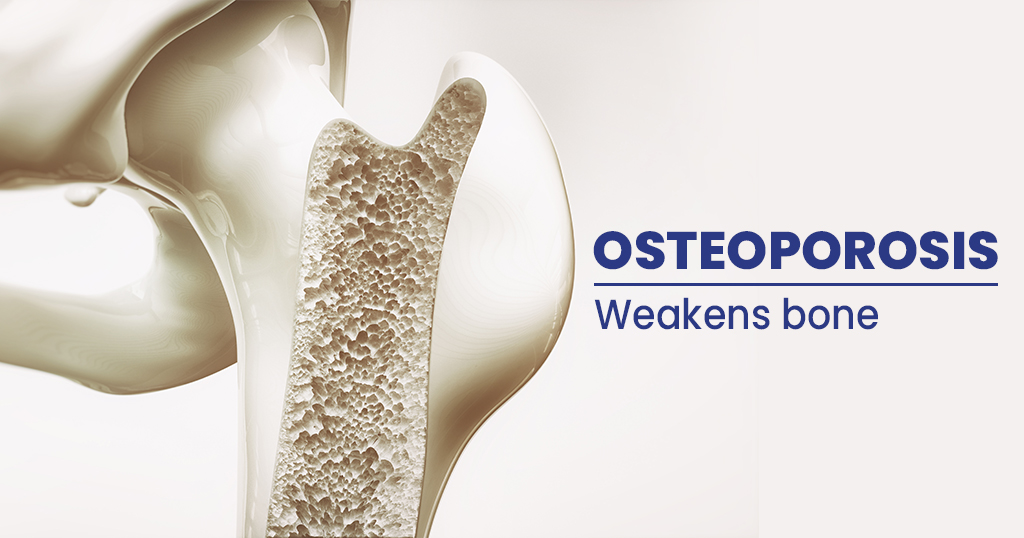
Osteoporosis is a condition where bones weaken, making them prone to sudden fractures. The disease progresses gradually without symptoms, and you may not know you have it until you get bone fractures. Boca Raton osteoporosis mostly causes hip, wrist, and spine fractures. The condition can affect both genders, but it is more common in women. There are no symptoms of osteoporosis, but you should watch for things like loss of height, change in posture, shortness of breath, lower back pain, and bone fractures. Osteoporosis has no cure, but you can manage the disease with medications and lifestyle changes. There are many risk factors and treatments for osteoporosis, and here are some.
Risk factors of osteoporosis
Age
Aging increases your risk of developing osteoporosis. Although men and women are at risk of developing osteoporosis from the age of fifty, women are at a greater risk. Women undergo rapid bone loss within the first ten years of menopause because, during this phase, estrogen production lowers. Estrogen hormone protects against excessive bone loss.
Family history
A family history of osteoporosis increases the chances of developing the condition. If your grandparents had signs of osteoporosis, like a fractured hip after a minor injury or fall, you might have higher chances of developing osteoporosis.
Medical conditions
Conditions like an overactive thyroid, a history of bariatric surgery or organ transplant, and hormone treatment for breast or prostate cancer can increase the chances of developing osteoporosis. Inflammatory bowel diseases and blood conditions like multiple myeloma can also increase the risks of developing osteoporosis.
Medications
Some medications can damage your bones, leading to osteoporosis. These drugs include steroids, treatments for breast cancer, and anti-seizure medications.
Bone structure and body weight
Being petite and thin increases the risk of osteoporosis because you have less bone to lose than individuals with more body weight and larger frames.
Ethnicity
Caucasian and Asian women have higher risks of developing osteoporosis, but African-American are still at risk. Studies show African-American women have higher chances of dying after a hip fracture than white women.
Lifestyle habits
You are at a higher risk of osteoporosis if your body does not make sufficient calcium and vitamin D. Living a sedentary life can increase your chances of osteoporosis. Tobacco use and excessive consumption of alcohol increase the risks of fractures.
Treatments for osteoporosis
Medications
Medications for osteoporosis help strengthen your bones. These medications include bisphosphonates, menopause hormonal treatment, and selective estrogen receptor modulators. Denosumab, an injection your doctor gives you twice a year, can help slow down the development of osteoporosis. If your osteoporosis is causing pain, your doctor can prescribe pain relievers.
Lifestyle changes
Exercises help strengthen your bones and muscles, reducing your chances of falling. Your physical therapist can help you develop an exercise program that suits your needs. Stopping smoking and taking alcohol can help improve your bone strength. Managing a healthy weight also plays a major role while managing osteoporosis.
Osteoporosis is a disease where your bones weaken due to aging, medical conditions, a family history of osteoporosis, or medications. There is no cure for osteoporosis, but medications and lifestyle changes help manage the disease. Schedule an appointment at MyDoc Women’s Health Specialists for osteoporosis treatment to strengthen your bones.
