

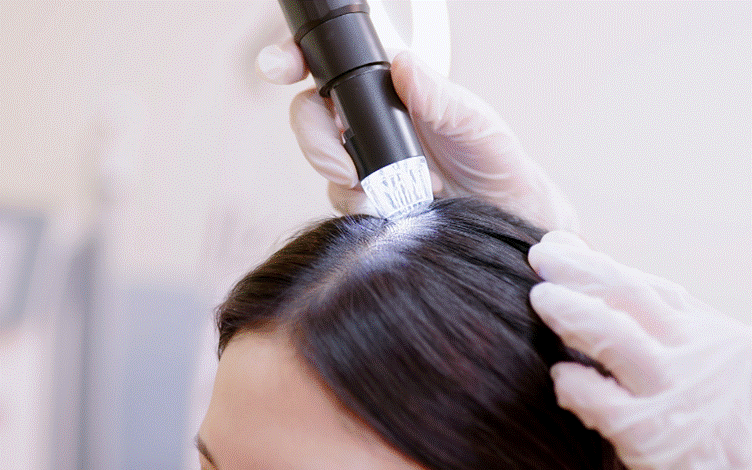
Hair health can be significantly impacted by pregnancy. Managing hair loss during and after pregnancy then requires knowledge of the scientific facts, prevalent beliefs, and accessible remedies.
Discover treatment alternatives for female hair loss treatment in Singapore, particularly emphasising pregnancy hair loss, allowing would-be mothers to maintain their gorgeous locks while bringing the gift of life.
Myths About Pregnancy Hair Loss
Hair Loss Only Happens Postpartum
Contrary to typical belief, hair loss can occur during pregnancy due to hormonal changes, stress, or nutritional deficiencies. While postpartum shedding is common, some women experience hair thinning in the second or third trimester.
Hair Loss During Pregnancy Is Permanent
Pregnancy hair loss is generally temporary. Hair growth cycles are disrupted due to hormonal fluctuations but typically normalise within a year postpartum.
Prenatal Vitamins Prevent Hair Loss
While prenatal vitamins support overall health, they are not a guaranteed solution to prevent hair loss. Hair health requires a combination of balanced nutrition, hormonal stability, and proper scalp care.
Breastfeeding Causes Hair Loss
Breastfeeding does not directly cause hair loss. Postpartum shedding results from hormonal changes and is unrelated to nursing.
Facts About Pregnancy Hair Loss
Telogen Effluvium
Pregnancy and postpartum hair loss often fall under this category, where more hair follicles shift to the resting phase. This phase leads to raised shedding.
Hormonal Imbalances
Oestrogen levels drop significantly after childbirth, disrupting the normal hair growth cycle.
Impact of Stress
Both physical stress (e.g., childbirth) and emotional stress during pregnancy can contribute to hair thinning.
Dietary Deficiencies
Low iron, zinc, or vitamin D levels can exacerbate pregnancy-related hair loss.
Practical Solutions for Managing Pregnancy Hair Loss
Addressing pregnancy hair loss involves tailored strategies. Below are some solutions to manage this condition effectively.
Nutritional Support
A balanced diet of vitamins and minerals can strengthen hair follicles and promote growth. Key nutrients include:
- Iron: Essential for oxygen transportation to hair follicles. Sources: spinach, lean meat, and legumes.
- Biotin: Supports keratin production. Sources: eggs, nuts, and whole grains.
- Omega-3 Fatty Acids: Enhance scalp health. Sources: fatty fish, chia seeds, and flaxseeds.
Topical Treatments
Safe topical treatments like gentle, sulphate-free shampoos and conditioners containing keratin or collagen can support hair health. Scalp serums with mild botanical extracts may also help.
Stress Management Techniques
Stress can accelerate hair loss. Relaxation methods such as prenatal yoga, meditation, and regular exercise can reduce stress levels.
Scalp Health Maintenance
Keeping the scalp clean and hydrated prevents buildup and promotes a healthier environment for hair growth. Regular scalp massages can enhance blood circulation.
Professional Hair Loss Treatments
Female hair loss treatment options include non-invasive therapies like low-level laser therapy (LLLT), scalp rejuvenation treatments, and platelet-rich plasma (PRP) injections. These treatments are safe for postpartum women and are available in specialised clinics.
Medical Consultation
Persistent or severe hair loss may require professional evaluation. Dermatologists can recommend safe and effective treatments based on individual conditions.
Preventive Measures for Pregnancy Hair Loss
Prevention plays a core role in reducing hair loss during pregnancy. Consider these strategies:
Regular Scalp Care
Washing hair with mild, pH-balanced shampoos can prevent scalp inflammation and buildup.
Balanced Diet
Incorporating nutrient-dense foods ensures hair follicles receive adequate support.
Gentle Styling
Avoid tight hairstyles or harsh chemical treatments that may stress hair strands.
Adequate Hydration
Drinking enough water supports overall hair and scalp health.
Conclusion
Hair loss during pregnancy is a treatable condition. Hair loss can be lessened and healthy hair can be restored by being aware of the facts and myths, using practical remedies, and getting professional assistance when needed. Accessing female hair loss treatment in Singapore also provides dependable choices for postpartum hair recovery for women.
Visit Bee Choo Origin and let us help you reclaim your hair and your confidence!
