

Health screenings are a key part of preventive healthcare, yet many people delay them because they feel healthy or assume they are “too young” to worry. In reality, health screenings are not just for older adults or those with symptoms. Knowing when to start can help detect silent conditions early, reduce long-term health risks, and give you peace of mind.
Why Health Screenings Matter
Health screenings aim to identify potential health issues before symptoms appear. Many chronic conditions, such as high blood pressure, diabetes, and high cholesterol, develop gradually and may go unnoticed for years.
Early detection allows for timely intervention. Simple lifestyle changes or early treatment can prevent complications, improve quality of life, and lower healthcare costs in the long run.
Is There a “Right” Age to Start?
There is no single age that applies to everyone. Instead, the ideal time to begin depends on your personal risk factors, family history, and lifestyle.
In general, young adults in their 20s and 30s can benefit from baseline checks. These early screenings establish a reference point for future comparisons and help identify early risk factors, even if you feel perfectly well.
Starting in Your 20s and 30s
Many people assume health screenings are unnecessary in early adulthood. However, this stage is an excellent time to build preventive habits.
Basic checks such as blood pressure, body mass index (BMI), and blood sugar can reveal early warning signs. Lifestyle factors like stress, poor sleep, smoking, or sedentary habits often begin to affect health during these years.
Visiting a health screening center early helps you understand your body better and make informed lifestyle choices before problems develop.
Screenings in Your 40s and 50s
As you enter your 40s, the risk of chronic diseases increases. Metabolism slows, hormonal changes occur, and long-term lifestyle habits start to show their effects.
This is when more comprehensive screenings become important. Tests for cholesterol, diabetes, and certain cancers may be recommended based on age and gender. Regular screening and visits to a wellness screening clinic during this stage can significantly reduce the risk of serious complications later in life.
Health Screenings After 60
For older adults, regular screenings are essential for maintaining independence and quality of life. Age-related conditions such as heart disease, osteoporosis, vision problems, and kidney disease become more common.
Screenings help monitor existing conditions, adjust treatment plans, and detect new issues early. Staying proactive supports healthier aging and reduces the likelihood of emergency medical situations.
Factors That May Require Earlier Screening
Some people should start screenings earlier than others, regardless of age. These factors include a family history of chronic diseases, being overweight, smoking, heavy alcohol use, or having a sedentary lifestyle.
Women with irregular menstrual cycles or a history of pregnancy-related complications may also benefit from earlier assessments. Similarly, individuals with high-stress jobs or poor sleep patterns may face increased health risks.
If any of these apply to you, consulting a healthcare professional can help determine the right screening schedule.
What Happens During a Screening Visit?
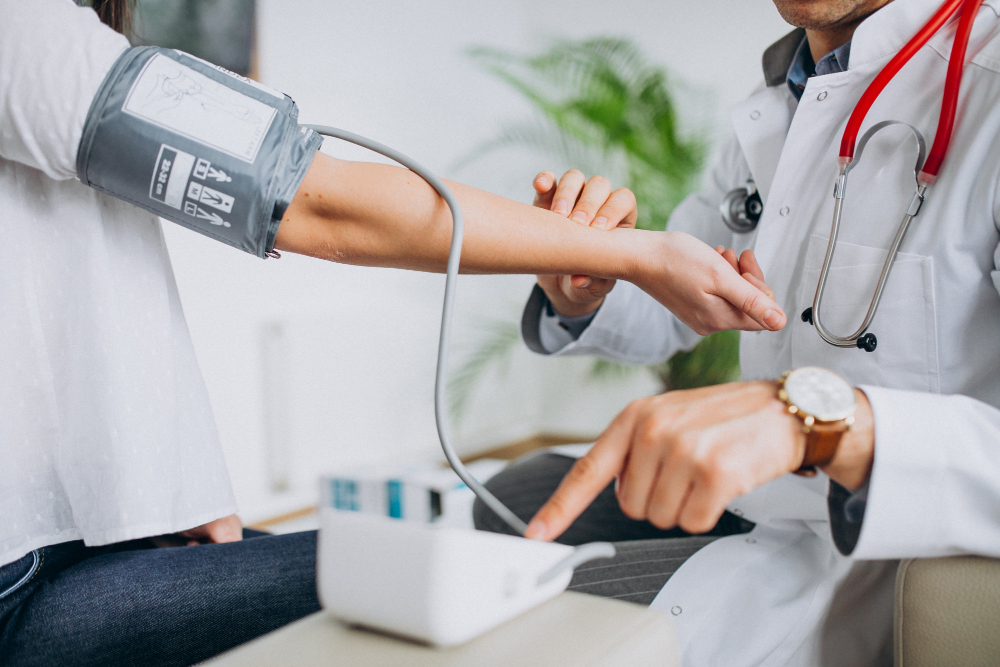
A typical screening visit involves a review of your medical and family history, followed by basic measurements such as height, weight, and blood pressure. Blood and urine tests may be done to assess glucose levels, cholesterol, kidney function, and other markers.
Depending on your age and risk profile, additional tests may be recommended. The goal is not to overwhelm you but to build a clear picture of your overall health status.
How Often Should You Go?
Screening frequency depends on the results of your initial tests and your risk factors. Some people may only need basic checks every one to two years, while others require more frequent monitoring.
Regular follow-up ensures that any changes are detected early. Consistency is key, as trends over time are often more informative than a single test result.
Overcoming Common Barriers
Many people delay screenings due to fear, cost concerns, or lack of time. However, avoiding screenings does not eliminate risk, it only delays diagnosis. Modern screening services are increasingly accessible and efficient. Most procedures are quick and minimally invasive, making it easier to fit them into a busy schedule.
Taking the First Step
If you are unsure when to begin, a consultation at a health screening clinic can provide clarity. A doctor can assess your risk factors and recommend an appropriate screening plan tailored to your needs.
Starting early does not mean something is wrong. It means you are taking responsibility for your health and investing in long-term well-being.
Conclusion
There is no perfect age to begin health screenings, but starting earlier offers clear advantages. Whether you are in your 20s establishing healthy habits or in your 50s managing emerging risks, screenings play a vital role in preventive care.
By understanding your personal risk factors and committing to regular check-ups, you can catch potential issues early and stay in control of your health. A proactive approach today can make a significant difference to your health in the years ahead.
