

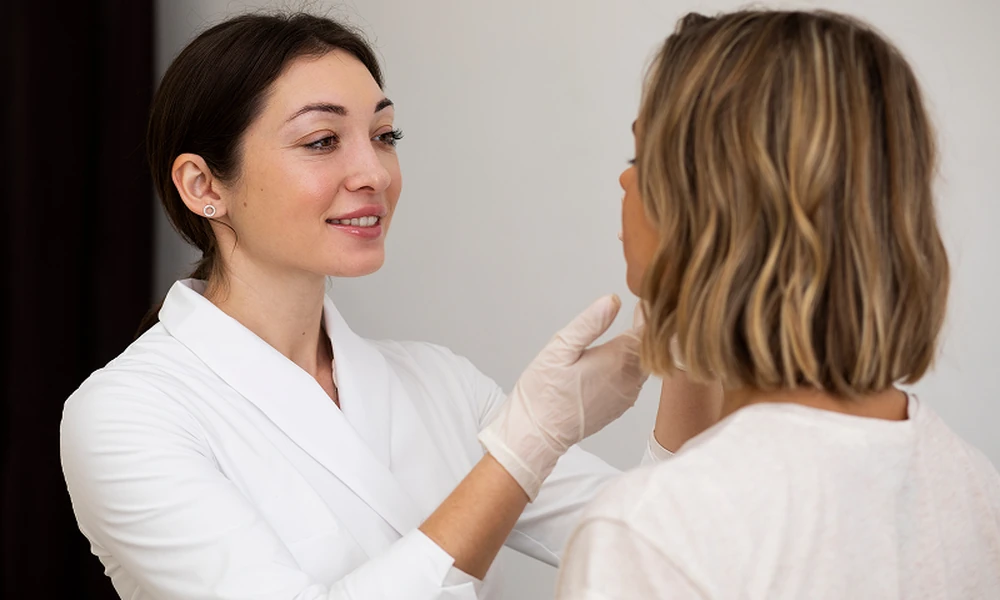
Uneven skin texture can affect how smooth and comfortable the skin appears, but texture concerns can arise from several factors. Dryness, congestion, acne-related changes and natural skin characteristics may all influence the appearance of the skin.
People interested in improving skin texture in Singapore may consider treatments such as chemical peels, but suitability should come before treatment selection. A professional consultation can help determine if a peel fits the concern and the person’s skin condition.
Skin texture changes often develop gradually due to environmental exposure, natural aging, fluctuating humidity, and lifestyle habits. Factors like excess sebum production can lead to clogged pores, while dead skin cell accumulation can make the surface look dull and uneven. Addressing these underlying factors early on helps maintain smoother, healthier-looking skin over time.
1. Identify the Texture Concern
Start by describing what you want to change. Roughness, uneven surface texture, visible pores and post-acne marks can require different approaches.
Avoid choosing a treatment simply because it is popular. A clinician should assess the skin and clarify what a particular treatment can reasonably address.
It is also useful to distinguish texture concerns from pigmentation or active skin conditions. Several concerns may exist at the same time, and treatment planning may need to account for each one.
Understanding the depth and nature of your texture concerns allows clinicians to tailor recommendations specifically for you. For instance, superficial roughness might respond well to mild exfoliation, whereas deeper scarring or textural irregularities may require targeted clinical interventions.
2. Consider Your Skin’s Current Condition
The condition of the skin at the time of treatment matters. Active irritation, excessive sensitivity or other concerns may influence whether a chemical peel is appropriate.
Tell the clinician about your current skincare routine and any recent aesthetic treatments. Products containing active ingredients can be relevant to treatment planning.
Do not conceal recent reactions or changes simply because you want to proceed with a particular procedure. Accurate information helps a professional make a safer recommendation.
Pre-treatment skin preparation is often as vital as the procedure itself. Ensuring your skin barrier is healthy and hydrated before undergoing a peel can enhance comfort during the session and support smoother post-treatment recovery.
3. Understand What a Chemical Peel Can Do
Ask what the proposed peel is intended to achieve and how the treatment works at a general level. Different peels vary in formulation, strength and intended use.
A chemical peel in Singapore may be recommended for particular skin concerns, but the choice should follow professional assessment.
Ask what kind of improvement is realistic and how many sessions may be considered. Avoid expecting one treatment to completely transform the skin.
Chemical peels work by applying a controlled acid solution to exfoliate dead surface layers, encouraging cellular renewal beneath. Depending on whether a superficial, medium, or deep peel is used, the treatment can target varied levels of skin concerns while promoting a refreshed, balanced complexion.
4. Plan Around Recovery
Ask about possible redness, peeling, sensitivity or other temporary changes after treatment. Recovery can vary depending on the type of peel and individual skin response.
Consider your work schedule and upcoming events before booking. If visible recovery effects would be difficult to manage, discuss timing with the clinician.
Ask about skincare and sun protection during the recovery period as well. Your clinician can provide instructions appropriate to the treatment performed.
Proper post-care usually includes avoiding direct sun exposure, using broad-spectrum sunscreen consistently, and keeping the skin well-hydrated with gentle creams. Adhering closely to post-peel guidelines helps protect the fresh skin layer and ensures optimal results.
5. Compare Suitability and Alternatives
A chemical peel is one possible approach to texture concerns. Ask if another treatment or a skincare-focused plan may be more suitable.
The right option depends on your skin condition, goals and tolerance for treatment and recovery. You should feel comfortable discussing alternatives rather than assuming that the first suggested procedure is the only choice.
Suitability Table
| Skin concern | What to consider |
| Rough texture | Ask what may be causing the surface change |
| Uneven appearance | Discuss the specific area and desired improvement |
| Sensitive skin | Confirm treatment suitability before proceeding |
| Recent irritation | Ask if the skin needs time to settle |
| Post-treatment care | Understand recovery and skincare requirements |
When improving skin texture in Singapore, focus on suitability rather than simply choosing the most intensive option. A consultation can help clarify the cause of the concern, the realistic role of a chemical peel in Singapore, and whether another approach may fit your needs better.
Contact CLEO Aesthetics to discuss your skin texture concerns and suitable treatment options following a professional assessment.
