

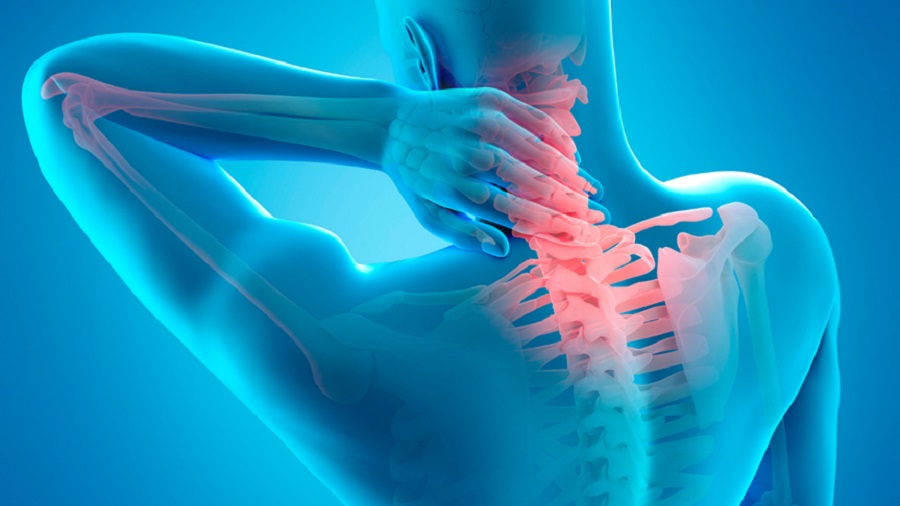
Upper cervical disorders encompass a group of conditions marked by dysfunction or deterioration in the uppermost area of the spine. They can manifest in various ways, ranging from mild neck pain and headaches to severe neurological symptoms, and often interfere with one’s daily life. In this article, we delve into common signs and symptoms indicating the presence of an upper cervical disorder and discuss the potential benefits of seeking professional assistance in managing these conditions.
Recognizing the Signs: Common Symptoms of Upper Cervical Disorders
1. Neck Pain and Stiffness
One of the most prevalent indicators of an upper cervical disorder is persistent neck pain, accompanied by a lack of mobility or stiffness in the neck area. These symptoms are generally worsened by head movement and may extend to the shoulder level, causing discomfort and limiting one’s range of motion.
2. Headaches
Headaches are a frequent symptom of upper cervical disorders and can be both mild and severe. They typically stem from irritation or dysfunction in the cervical spine and often occur at the base of the skull, behind the eyes, or in the forehead.
3. Dizziness and Balance Problems
Dizziness and balance problems are commonly associated with upper cervical disorders, as the uppermost area of the spine plays a crucial role in maintaining one’s balance and head position. Disruptions in this area can lead to sensations of unsteadiness, vertigo, and increased fall risk.
4. Tinnitus and Hearing Difficulties
Tinnitus, or ringing in the ears, and hearing difficulties can also be indicative of an upper cervical disorder. The complex mechanisms governing the auditory system are closely connected with the cervical spine, and disruption of these pathways can lead to tinnitus and difficulties hearing.
5. Neurological Symptoms
In more severe cases, upper cervical disorders may present with neurological symptoms. These can include numbness and tingling sensations in the face or extremities, muscle weakness, and even difficulties with speech and swallowing.
Cervical spinal decompression treatment method may be highly effective in relieving pain and discomfort caused by conditions such as Platybasia. In the long term, this can usher in increased mobility and an overall enhanced sense of well-being for your patients.
To Sum Up
It is important for people and healthcare providers to be able to identify the indications and symptoms of upper cervical disorders, as they can present themselves in various ways. If you are a healthcare professional seeking a potential solution for your patients, cervical spinal decompression is a non-surgical treatment option that could help alleviate their symptoms. By this, you can significantly reduce the pain and discomfort associated with these disorders. With the help of a trained professional, your patients can quickly regain their normal life quality and activity level.
