

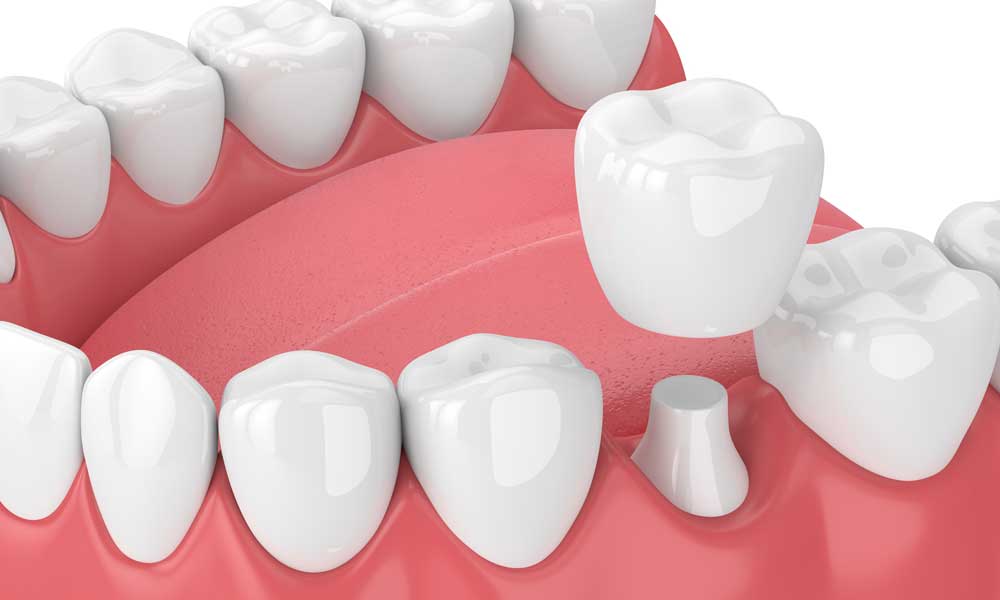
Dental crowns offered by the general dentist in Pleasanton, CA are a widely used and effective solution for restoring damaged or decayed teeth, offering a natural appearance and functional bite. However, like any dental restoration, crowns are not immune to potential problems. Issues such as loosening, chipping, discoloration, sensitivity, and gum recession can arise, compromising the crown’s longevity and overall oral health. While these problems can be frustrating and costly to repair, many can be prevented or minimized with proper care, maintenance, and awareness.
In this article, we will explore common problems associated with dental crowns and provide valuable insights and tips on how to avoid them, ensuring your crown lasts for years to come.
What are dental crowns?
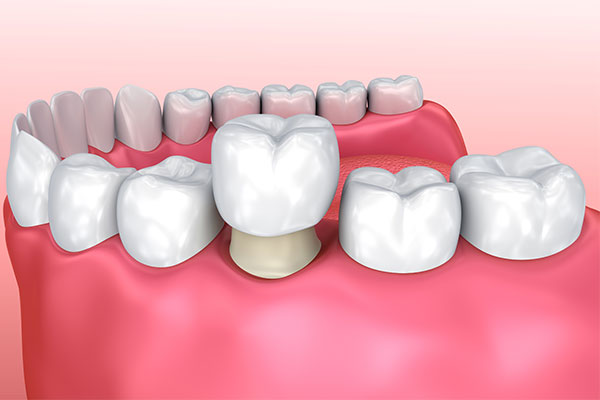
A dental crown is a custom-made restoration that completely covers a damaged or decayed tooth, restoring its shape, size, strength, and appearance. Dental crowns can be used to repair teeth that are cracked, broken, or worn down, as well as to support teeth with large fillings, protect teeth from further decay, or enhance the appearance of discolored or misshapen teeth.
What are the common problems with dental crowns?
Here are some common problems that can occur with dental crowns:
- Loosening or detachment: The crown can become loose or fall off due to inadequate bonding, decay beneath the crown, or excessive biting forces.
- Chipping or cracking: Porcelain or ceramic crowns can chip or crack due to biting or grinding forces, or sudden impacts.
- Discoloration: Crowns can discolor over time due to staining, aging, or material breakdown.
- Sensitivity: Sensitivity can occur if the crown is placed too close to the pulp or if there is decay beneath the crown.
- Gum recession: Gum recession can expose the crown margin, leading to sensitivity or decay.
- Allergic reactions: Some people may be allergic to certain materials used in crowns, such as metal or ceramic.
- Bite issues: Crowns can affect the bite, leading to issues with chewing or speaking.
- Decay beneath the crown: Decay can occur beneath the crown if oral hygiene is poor or if the crown is not properly sealed.
- Fracture or breakage: Crowns can fracture or break due to excessive forces or trauma.
- Crown lengthening: The crown may need to be lengthened if the tooth beneath it becomes exposed due to gum recession.
What are some useful tips to avoid problems with dental crowns?
Here are some tips to help avoid problems with dental crowns:
- Practice good oral hygiene: Brush and floss regularly to prevent decay and gum disease.
- Avoid excessive forces: Refrain from biting or chewing on hard objects, and avoid grinding or clenching your teeth.
- Choose the right material: Select a crown material suitable for your needs, such as porcelain, ceramic, or gold.
- Ensure proper fit and bonding: Verify that the crown is properly fitted and bonded to the tooth.
- Attend regular dental check-ups: Regular check-ups can help detect potential issues early on.
- Avoid staining foods and drinks: Limit consumption of staining substances like coffee, tea, and red wine.
- Use a mouthguard: Wear a mouthguard if you grind your teeth at night or engage in sports.
- Avoid using teeth as tools: Refrain from using your teeth as tools, such as opening packages or biting nails.
- Consider a crown with built-in stain resistance: Some crowns have built-in stain resistance, which can help maintain their appearance.
- Follow your dentist’s instructions: Adhere to your dentist’s advice on caring for your crown and maintaining good oral health.
Takeaway
While dental crowns are a reliable solution for restoring damaged teeth, they can be prone to certain problems such as loosening, chipping, discoloration, and sensitivity. However, by practicing good oral hygiene, avoiding excessive forces, choosing the right material, ensuring proper fit and bonding, and attending regular dental check-ups, you can minimize the risk of these issues.
