

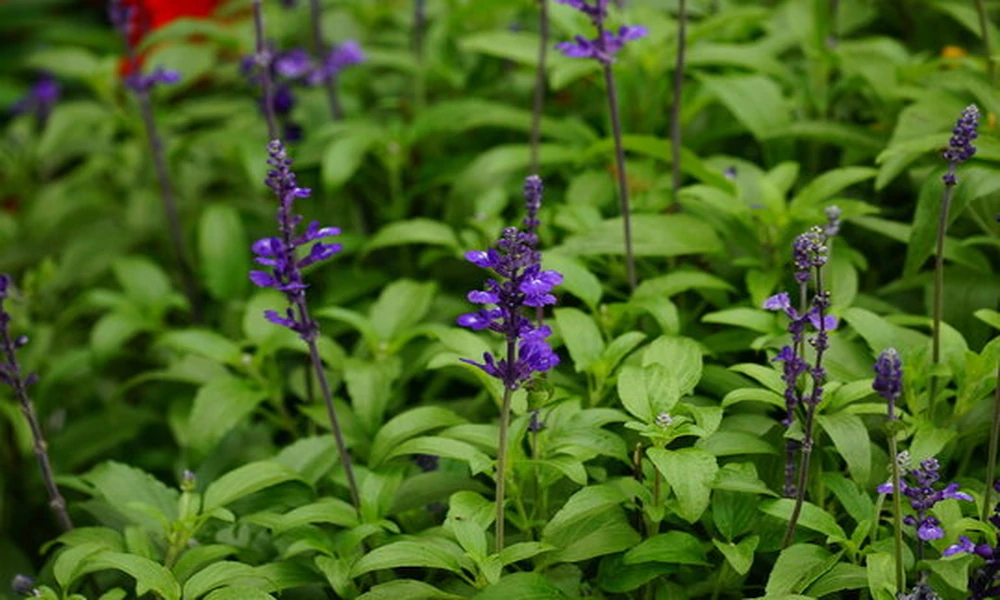
Salvia divinorum is a unique perennial plant from the mint family (Lamiaceae). This plant species is endemic to the mountainous areas of Oaxaca, Mexico, and has been used traditionally by the Mazatec people for a long time. Its increasing popularity in contemporary scientific research, however, is mostly linked to its major psychoactive ingredient, salvinorin A. Scientists have become very interested in the plant’s chemistry and the unusual pharmacological properties which set it apart from other naturally occurring psychoactive plants.
What Makes Salvinorin A Chemically Different?
Salvinorin A is classified as a neoclerodane diterpene and has an unusual molecular structure. One of its most unique properties is that it lacks nitrogen atoms, which is the case with many of the other popular psychoactive substances. It has been shown to be a highly selective kappa-opioid receptor agonist through scientific investigations. This interaction is of special interest to pharmacologists investigating neurological signalling, perception and biological mechanisms of altered states of consciousness.
A look at the Botanical and Chemical Connection
The association of the plant with the main compound is an interesting direction in botanical research. Researchers study various components of Salvia divinorum, such as its leaf chemistry, naturally occurring diterpenes and biological properties. Salvia Divinorum Cuttings are a form of the plant’s horticultural availability for those interested in botanical classification and plant propagation. However, its chemical properties have to be investigated in a special laboratory, not just by its physical appearance or cultivation properties.
What does scientific research tell us?
The study of salvinorin A is not limited to its psychoactive effects. Preclinical investigations have explored its potential relevance to pain signalling, inflammation, neurological processes and substance-use research. Other researchers are exploring the possibility of altering the compound to preserve specific pharmacological characteristics, while minimizing the compound’s unwanted psychoactive effects. These options are still experimental and are not considered to be standard medical care.
Future Directions in Salvinorin A Research
Although great strides have been made in scientific research, there are still many questions that remain unanswered about the long-term effects, metabolism and clinical applications of salvinorin A. Research on humans is still quite limited, and careful controlled research is needed. The unique receptor activity and its unique chemical structure keep Salvia divinorum a significant topic in natural-product chemistry and contemporary pharmacological research.
