

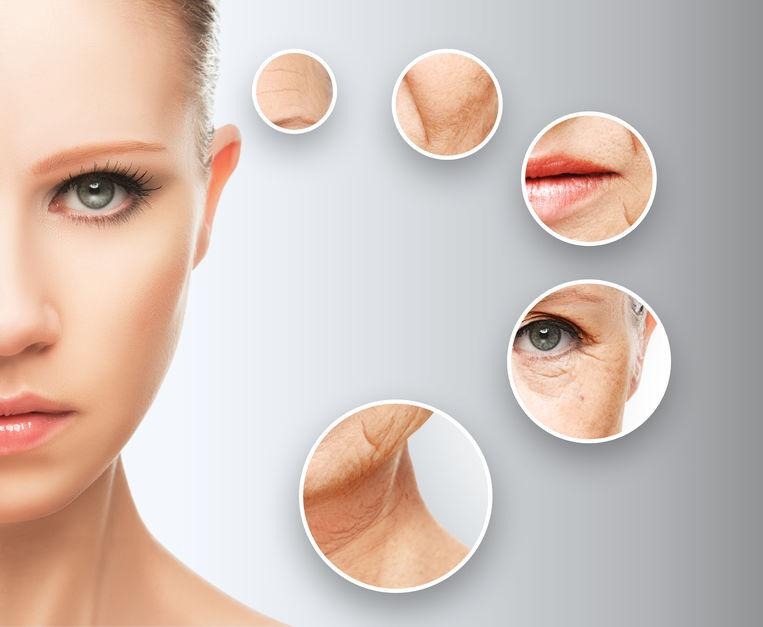
Skin does not stand still; it is constantly changing. Although most individuals anticipate aging-related changes, such as wrinkles, fewer people are aware of how skin tone and texture change with age.
Such changes are usually gradual and therefore difficult to notice until they become more apparent. Read and learn why the tone and texture of a skin change overtime.
Things You Should Know About Your Skin Tone and Texture
The positive news is that most of these changes are controllable with awareness and regular care. Early attention can help you keep your skin healthier, smoother, and more even-looking in the long run.
The role of natural aging is significant
As you become older, the amount of collagen and elastin that skin produces decreases. Not to mention, these are critical proteins that keep the skin firm and smooth. This results in the skin becoming thinner, uneven, and less elastic. Simultaneously, cell turnover decreases, so dead skin cells remain on the surface longer, leading to dullness and rough patches.
Exposure to the sun accumulates with time
Cumulative sun exposure is one of the largest contributors to skin tone. Although you may not see any immediate harm, the ultraviolet (UV) rays are slowly disintegrating the skin structure and stimulating the excess melanin synthesis. In the long run, it results in dark spots, uneven tone, and a more rugged texture.
Hormonal changes influence pigmentation
Changes in hormones (due to age, stress, or lifestyle) can greatly influence your skin. Such alterations can lead to conditions such as hyperpigmentation, in which some parts of the body are darker than others. This is one reason skin color can be disproportionate at different ages.
Environmental influences have their toll
The skin barrier may be weakened because of the daily exposure to pollution, severe weather, and toxins. This not only influences texture but may also cause discoloration and irritation. Visibly, the tone and surface quality change over time due to environmental stressors.
Skin health is affected by lifestyle practices
What you eat, how you sleep, and how you handle stress all contribute to how your skin looks. An incorrect diet, dehydration, and insomnia may cause dull, uneven skin. Conversely, regular healthy routines keep the texture smooth and the tone balanced.
Importance of skincare routine (or lack of it)
Irregular or inefficient skincare may accelerate the skin changes. Without exfoliation, cleansing, and hydration, the dead skin accumulates, and the texture becomes uneven. On the same note, not wearing sun protection will result in cumulative damage over time.
The slightest changes cumulate
The most shocking thing about skin changes is how gradual they are. A little darkening of color here, a little coarseness there, these little changes build up in months and years, till they become more noticeable.
Conclusion
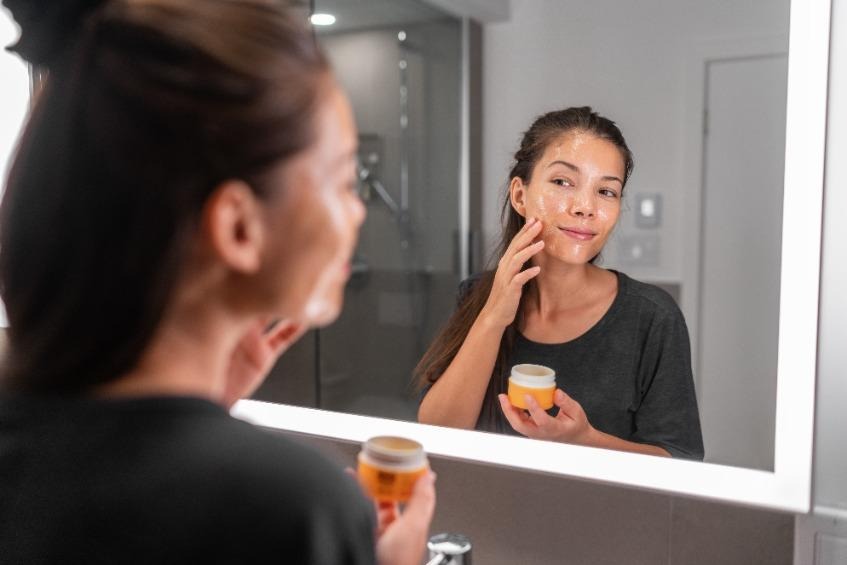
We do not realize how the color and texture of our skin change, as this is a gradual process influenced by many factors, such as age, exposure to sunlight, hormones, environment, and lifestyle. Finally, you should try ipl laser to help your skin tone and texture.
