

As a responsible pet owner, being prepared for emergencies is crucial to ensure your furry friend’s health and well-being. At Maple Valley Veterinary, we emphasize the importance of pet first aid and emergency care to handle unexpected accidents or illnesses. Whether your pet suffers from a minor cut, ingestion of toxins, or severe injuries, knowing basic first aid techniques can significantly improve their chances of recovery.
In this article, we’ll explore essential pet first aid tips, common emergencies, and when to seek immediate veterinary attention. By being proactive and informed, you can provide the best possible care for your pet in critical moments.
Understanding Pet Emergency Care
Pet emergency care involves prompt action to stabilize your pet’s condition until veterinary attention is available. It’s crucial to understand the basics of pet emergency care to ensure the best possible outcome.
Key Principles of Pet Emergency Care
- Stay Calm: Remain calm and composed to think clearly.
- Assess the Situation: Quickly evaluate the situation to identify potential hazards.
- Provide Basic Care: Administer basic first aid, such as stopping bleeding or providing oxygen.
- Seek Veterinary Attention: Contact Maple Valley Veterinary or an emergency veterinary clinic immediately.
Initial Emergency Care Steps
- Call for Help: Contact Maple Valley Veterinary or an emergency veterinary clinic.
- Provide Basic Care: Administer first aid, such as CPR or bleeding control.
- Keep Your Pet Comfortable: Provide a calm environment.
Exploring Common Pet Emergencies
As a responsible pet owner, it’s essential to be aware of common pet emergencies that can arise unexpectedly. Recognizing these situations can help you respond promptly and effectively.
Top 10 Common Pet Emergencies
- Choking: Obstruction of the airway due to food, toys, or other objects.
- Bleeding: External or internal bleeding due to injury or surgery.
- Burns: Thermal, electrical, or chemical burns.
- Fractures: Broken bones due to trauma or accidents.
- Poisoning: Ingestion of toxic substances.
- Respiratory Distress: Difficulty breathing or respiratory failure.
- Cardiac Arrest: Stoppage of heart function.
- Seizures: Sudden, uncontrolled convulsions.
- Heatstroke: Elevated body temperature due to heat exposure.
- Gastrointestinal Issues: Vomiting, diarrhea, or abdominal pain.
Signs and Symptoms
- Choking: difficulty breathing, pawing at the mouth
- Bleeding: visible blood, pale gums
- Burns: charred skin, blisters
- Fractures: limping, swelling
- Poisoning: vomiting, lethargy
- Respiratory Distress: rapid breathing, blue-tinged gums
- Cardiac Arrest: collapse, loss of consciousness
- Seizures: convulsions, loss of coordination
- Heatstroke: panting, vomiting
- Gastrointestinal Issues: vomiting, diarrhea
Pet First Aid Techniques
Knowing essential pet first aid techniques can significantly improve your pet’s chances of recovery in emergencies. Here are critical techniques to master:
CPR (Cardiopulmonary Resuscitation)
- Check airway, breathing, and circulation.
- Perform 30 chest compressions followed by two breaths.
- Continue until veterinary attention is available.
Bleeding Control
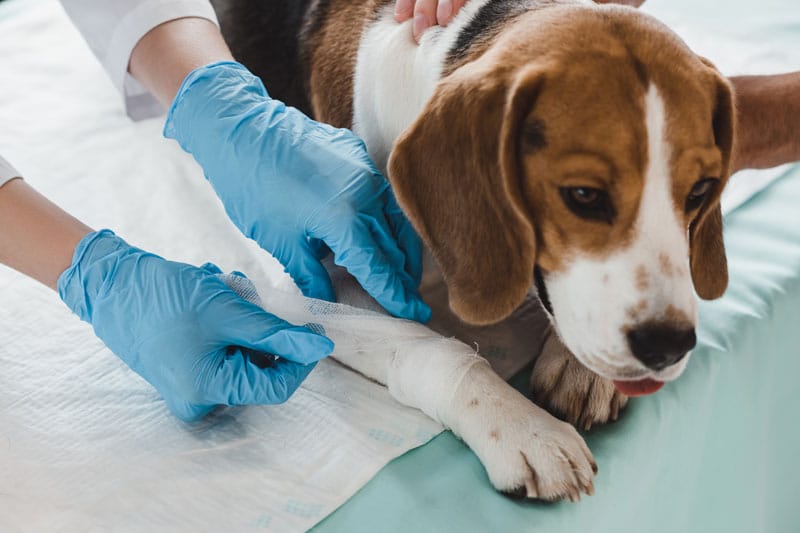
- Apply pressure with a clean cloth.
- Elevate the injured area above heart level.
- Use tourniquets or hemostatic agents if necessary.
Burn Care
- Cool burns with lukewarm water.
- Apply topical antibiotic ointment.
- Cover burns with a non-stick dressing.
Fracture Management
- Immobilize the affected area with a splint.
- Monitor for shock signs.
- Transport carefully to prevent further injury.
Choking Relief
- Perform the pet Heimlich maneuver.
- Clear obstruction if visible.
- Provide oxygen if necessary.
Poisoning Treatment
- Identify the toxin.
- Contact a pet poison hotline
- Follow veterinary instructions.
Seizure Management
- Keep your pet safe.
- Time the seizure.
- Provide veterinary attention immediately.
Additional Emergency Care Tips
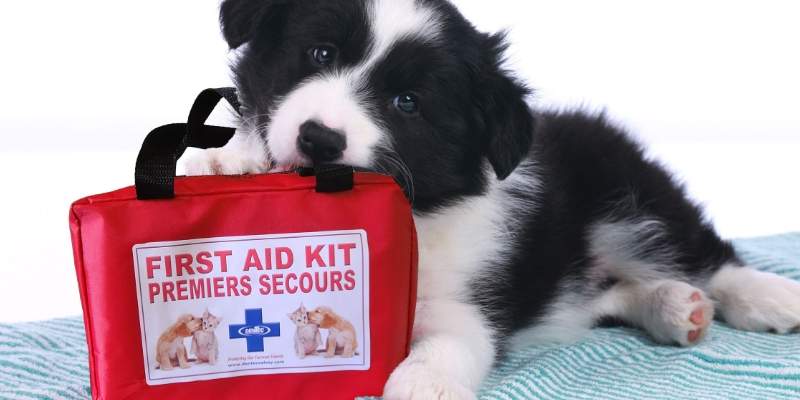
- Keep a pet first aid kit with essentials like bandages, antiseptic wipes, and tweezers.
- Know your pet’s vital signs like temperature, pulse, and respiratory rate.
- Stay informed about potential hazards and toxins.
- Practice pet first aid to build confidence.
- Seek veterinary attention immediately after emergency care.
Pet first aid knowledge is crucial for ensuring your furry friend’s safety and well-being. By understanding common emergencies, mastering basic techniques, and staying prepared, you can respond confidently in critical situations. Remember, pet first aid is not a substitute for veterinary care – always seek professional attention as soon as possible.
