

Health requires safe drinking water. For this, many employ water filters. Popular water filters include reverse osmosis and charcoal. Both improve water quality differently. To help you choose, this article compares carbon water filter vs reverse osmosis.
Carbon Water Filter Operation
Carbon filters eliminate contaminants using activated carbon. Due to its enormous surface area, activated carbon absorbs pollutants. Carbon absorbs toxins. The primary types are GAC and carbon block. The denser compressed carbon block filters better than GAC, which has bigger carbon granules.
Uncontaminated
Carbon filters remove chlorine, chloramines, VOCs, silt, PM, and lead. City water disinfectants like chlorine and chloramines alter taste and fragrance. Herbicide and pesticide VOCs harm air and water. PM and sediment contain rust and grime.
Advantages
Benefits of carbon filters. By eliminating bad tastes and odors, they improve water taste and odor. They cost less to buy and maintain than advanced systems. Easy installation and maintenance make carbon filters convenient. Filtering produces no effluent, making them eco-friendly.
The Reverse Osmosis Process
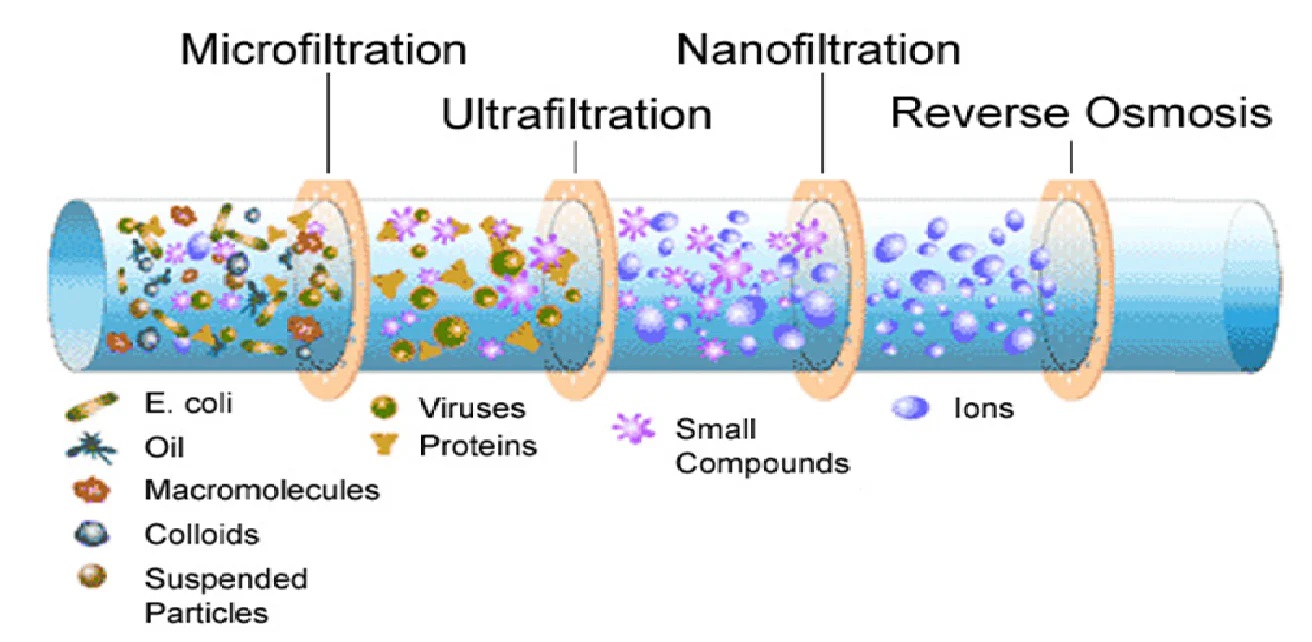
A semipermeable membrane reverse osmosis cleans. Water passing through the membrane leaves pollutants. Carbon filters help RO systems remove bigger particles and maintain the membrane. This multi-step technique removes pollutants.
Uncontaminated
Salts, minerals, heavy metals like lead, arsenic, and mercury, microorganisms like bacteria, viruses, and protozoa, and chemical pollutants like fluoride, nitrates, and sulphates are removed using reverse osmosis. RO is an excellent water filter.
Advantages
RO systems remove many pollutants, but carbon filters cannot. RO systems filter well, making them safe for waterborne sickness zones. Salt and mineral removal by RO systems purifies water. This makes water safer, tastier, and healthier.
Choosing Between Carbon Filters and Reverse Osmosis
Suitability for Specific Needs
Needs determine carbon filter or reverse osmosis choice. Carbon filters are usually sufficient and cost-effective for enhancing water flavor and fragrance. Reverse osmosis removes dissolved salts and bacteria better. Carbon filters do not produce effluent like RO systems, therefore ecologically aware people may prefer them. Another consideration is budget; carbon filters are cheaper than reverse osmosis systems in both installation and maintenance.
Install and Maintain
The systems must be set up and maintained separately. Carbon filters are simple to install and replace cartridges every 3–6 months. Installing reverse osmosis systems is difficult and usually requires professional help. In RO systems, replace pre-filters, membranes, and post-filters every 6–2 years. Understanding these variances aids system selection.
Conclusion
Reverse osmosis and carbon water filters have pros and cons. Carbon filters affordably and sustainably improve taste and odor. They filter basic chlorine, VOC, and sediment. Reverse osmosis removes dissolved salts, bacteria, and other impurities, making water safer. They emit effluent, cost more, and require more maintenance. Financial, water, and environmental issues determine your option. Knowing how and what contaminants a system removes will help you choose one that makes clean, safe, and tasty water.
