

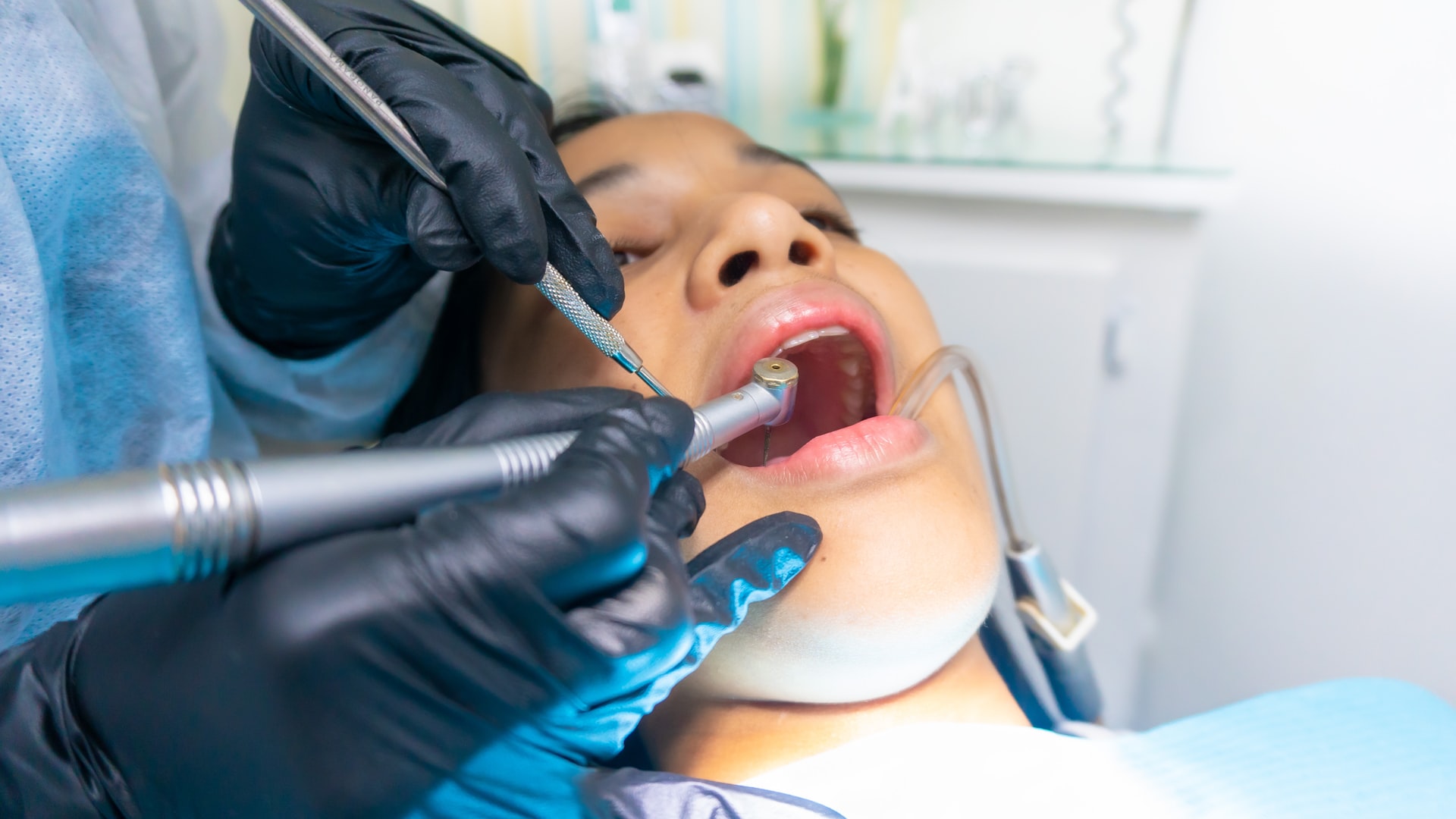
Dental anxiety is quite common. Fortunately, there are various ways to manage both conditions. If dental phobia or dental anxiety hinders you from getting the dental treatment you are looking for, you need to speak with your dentist about painless dentistry.
Dental anxiety is stress and fear that is associated with the dental setting. This fear can cause patients to either delay or avoid dental treatments. Things like drills, needles, and the dental setting are some of the most common triggers of dental anxiety. If the anxiety is too severe, it can be classified as dental phobia.
There are also mental and other health conditions that can increase one’s risk of experiencing dental anxiety. This includes post traumatic disorder (PTSD), generalized anxiety, and neck and head trauma. Other mental conditions like bipolar disorder, schizophrenia, and depression can also increase the risk of anxiety disorder.
Dental anxiety is also quite common and can affect people of any age. Children who have had bad dental experiences can effectively overcome their fears if the situation is managed accordingly. That said, finding a dentist that is sympathetic to the situation can also help them cope with the condition more effectively.
Dental Anxiety: Common Signs and Symptoms
Some of the prevalent signs and symptoms that point to dental anxiety include:
- Palpitations (tachycardia)
- Sweating
- Panic (crying and visible distress)
- Low blood pressure
- Sweating
Many anxious patients will deliberately miss or avoid dental appointments altogether and will find it very stressful to undergo dental treatment regardless if its complex or simple.
Common Causes of Dental Phobia and Dental Anxiety
Dental anxiety and phobia can be attributed to various reasons, including:
- Traumatic dental or undesirable healthcare experience
- Previous trauma to the neck or head
- Traumatic experiences
- Depression, post traumatic stress disorder, or generalized anxiety
- Fear of invasion of personal space
- Trust issues
- Fear of loss of control
- Anxiety associated with other conditions like agoraphobia, obsessive compulsive disorder, and claustrophobia
Dental Phobia/Anxiety: How It Can Affect Your Overall Oral Health
Avoiding the dentist often results in dental disease that can get worse and might require emergency care and complex or costly treatment. This can also feed some of the underlying problems of dental anxiety. This condition is often referred to as the ‘vicious cycle of dental anxiety.”
Regular cleaning and routine dental check-ups can help prevent dental conditions. Also, when dentists discover dental problems early, the lesser invasive treatments will be required to fix them. During regular check-ups, dentists can also look for signs of mouth cancer.
Many dental conditions are preventable because they are typically lifestyle-related. When you routinely avoid visiting your dentist or getting dental treatments, you might develop conditions that might need complex (and expensive) treatments down the road.
How to Manage Dental Phobia or Dental Anxiety
There are several ways to manage dental anxiety or dental phobia. If you are suffering from either of the two conditions, it is recommended that you tell your dentist about it. Opening up about your anxiety triggers can also help your dentist create a personalized treatment plan for you.
In some cases, the help of a psychologist can also go a long way. Targeted and short therapies like cognitive behavioral therapy have been known to help manage the condition successfully.
Severe dental phobia or anxiety might also require medical management through relative analgesia, conscious sedation, anxiety relieving medications, or general anesthesia.
