

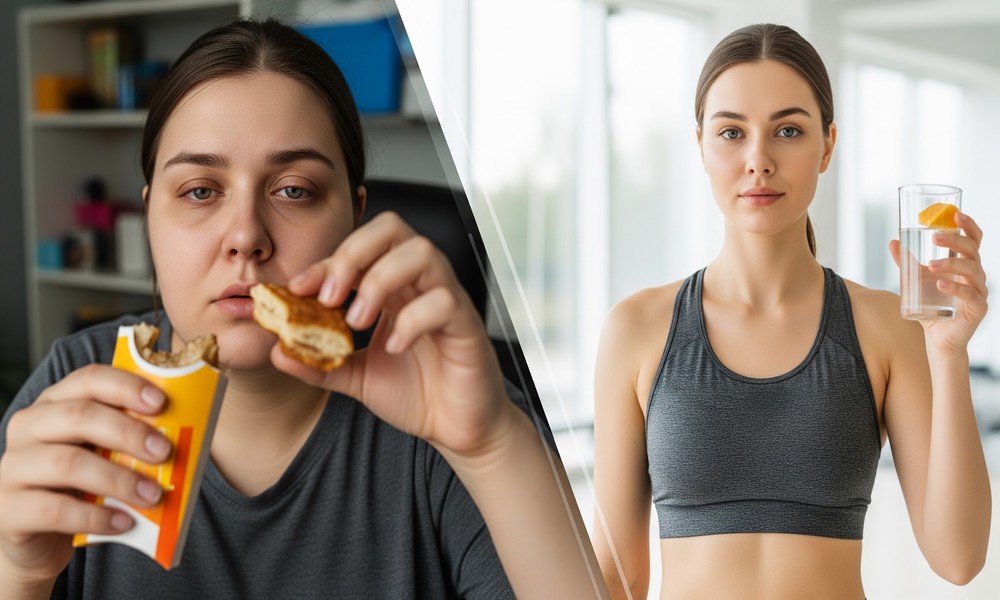
Changes in appearance-whether intentional or unexpected-often mark more than a visual shift. For many people, physical transformation becomes a psychological and behavioral turning point that influences motivation, self-image, and daily routines. How someone sees themselves can shape how they eat, move, socialize, and care for their health over time.
Sustainable change rarely comes from a single intervention. It develops through layered support that addresses the emotional meaning of transformation, the practical demands of recovery, and the long-term habits that follow. When physical care, emotional guidance, and daily assistance align, individuals are more likely to experience healing that lasts beyond the mirror.
Physical Change as a Catalyst for Behavioral Awareness
A visible change in appearance often brings heightened self-awareness. People may become more conscious of posture, facial expressions, body language, and how they present themselves in social or professional settings. This awareness can act as a catalyst for healthier choices, such as improved nutrition, consistent movement, or better sleep habits.
However, transformation can also surface vulnerability. Adjusting to a new appearance-even a desired one-may challenge identity and confidence. Some individuals feel pressure to “maintain” results, while others experience anxiety about how others perceive them. Recognizing these responses as normal helps individuals navigate change with greater self-compassion.
When physical change is paired with realistic expectations and emotional grounding, it can support healthier routines rather than create stress-driven behaviors.
Aesthetic Procedures and the Emotional Adjustment Period
Cosmetic procedures often involve both physical recovery and psychological adaptation. Swelling, temporary asymmetry, or healing timelines can test patience and confidence, particularly when outcomes evolve gradually. Emotional responses may fluctuate as individuals adjust to their changing appearance.
Practices such as North Texas Facial Plastic Surgery focus on cosmetic facial procedures, including otoplasty, where patient education and recovery planning are central. Understanding that healing is a process-not an instant result-can ease emotional strain and support healthier coping during recovery.
This adjustment period is a reminder that aesthetic change is not purely cosmetic. It interacts with self-perception, social comfort, and emotional resilience, all of which influence long-term well-being.
Motivation, Identity, and Lifestyle Shifts
After a physical transformation, many individuals feel motivated to protect their results by adopting healthier habits. This may include more mindful eating, structured exercise, or reduced engagement in behaviors that undermine health. Motivation rooted in self-respect tends to be more sustainable than motivation driven by fear or external validation.
At the same time, identity plays a powerful role. When individuals begin to see themselves as “someone who takes care of their body,” daily decisions often align more naturally with health goals. Small, consistent actions-such as regular meals or daily movement-become part of routine rather than obligation.
Long-term lifestyle change is most successful when it evolves gradually and accommodates real life, rather than demanding perfection.
Weight Management as Part of Confidence and Energy
Weight management often becomes part of the post-transformation conversation, particularly when energy levels, mobility, or metabolic health affect daily life. For many, weight changes are not just aesthetic concerns but functional ones that influence stamina, joint comfort, and emotional well-being.
According to EveresT Men’s Health, medical weight loss programs for men frequently focus on structured support rather than willpower alone. Evaluating metabolic factors, hormone balance, and realistic nutrition strategies can help individuals pursue weight goals without extreme restriction.
When weight management is framed as a tool for vitality and function-not just appearance-it is more likely to support confidence and long-term adherence.
Emotional Resilience During Ongoing Change
Physical and behavioral changes often uncover emotional patterns that were previously overlooked. Stress, self-criticism, or unresolved mental health concerns can surface when routines shift or when expectations feel heavy. Emotional resilience becomes essential during this phase.
Mental health support provides space to process these experiences constructively. Providers such as Kimball Health Services offer behavioral change support and mental health care that helps individuals navigate transitions without becoming overwhelmed. Therapy and counseling can strengthen coping skills, reduce anxiety, and support healthier self-talk.
Emotional resilience does not eliminate challenges; it equips individuals to respond to them with flexibility and patience.
The Role of Daily Structure and Consistency
Consistency is one of the most underrated elements of sustainable change. Daily structure-regular meals, movement, rest, and routines-creates a stable environment where new habits can take root. Without structure, even strong motivation can fade.
Recovery from procedures, weight changes, or emotional shifts may temporarily limit independence. During these times, external support helps maintain routines while protecting energy and focus. Structure reduces decision fatigue and supports follow-through when motivation fluctuates.
Over time, consistent routines reinforce a sense of control and self-trust, both of which are central to confidence.
In-Home Support and Continuity of Care
When individuals require assistance at home-whether during recovery or long-term health management-caregiving support can be a stabilizing force. Help with daily tasks, transportation, medication reminders, or companionship allows individuals to focus on healing and adaptation.
Organizations such as Alpenglow Homecare – NM provide paid family support and in-home caregiving that emphasizes dignity and continuity. This type of assistance supports not only physical needs but also emotional well-being, particularly during periods of transition.
Reliable support at home bridges the gap between clinical care and everyday life, reinforcing healthy habits where they matter most.
Integrating Change Into Long-Term Identity
Sustainable healing occurs when change is integrated into identity rather than treated as a temporary phase. This integration involves accepting that health is dynamic and that maintenance requires ongoing attention, flexibility, and support.
When aesthetic care, weight management, emotional guidance, and daily assistance align, individuals are better positioned to adapt to life changes without losing momentum. Integration reduces the risk of burnout and helps individuals remain engaged in their health journey over time.
The goal is not to preserve a moment of transformation, but to build a lifestyle that supports well-being through evolving circumstances.
Conclusion
Appearance changes can influence health habits in powerful ways, shaping motivation, self-image, and daily routines. While physical transformation may spark momentum, long-term well-being depends on emotional resilience, practical support, and sustainable structure.
When individuals receive layered care that honors both visible and invisible aspects of change, confidence grows alongside function. Healing becomes less about maintaining an outcome and more about living with continuity, balance, and self-respect.
