

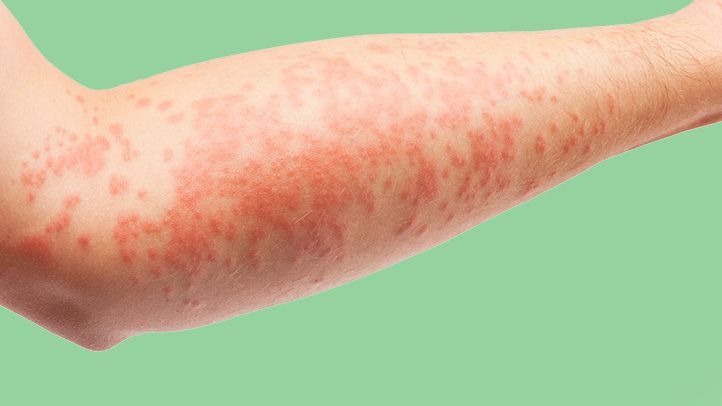
Eczema is a condition where your skin becomes dry, inflamed, red, and itchy. It can affect anyone but is more common in children. About half of all infected infants outgrow eczema as they get older. There are many forms of eczema, but atopic dermatitis is the most common. Eczema destroys your skin barrier function, making your skin more sensitive and prone to infections. You are more likely to get eczema if you have asthma and environmental and food allergies. There is no cure for eczema, but your medical dermatology Washington doctor can help manage your symptoms. There are various types of eczema, including:
Atopic dermatitis
Atopic dermatitis is the most common type of eczema. It mostly begins in childhood and may get milder or go away in your adulthood. Atopic dermatitis occurs when your skin’s natural barrier becomes weak against irritants and allergens. You may have small bumps that leak fluid upon scratching, and areas with skin rash may turn lighter, darker, or thicker. The rashes mainly form in the elbows and knees creases. In babies, the rash often develops on the cheeks and scalp.
Contact dermatitis
Contact dermatitis is a reaction when you touch particular substances. It comes in two forms; allergic and contact. Allergic contact dermatitis is where your immune system reacts to an irritant like latex or metal. Irritant contact dermatitis happens when a chemical or other material irritates your skin. Itchy bumps on your skin, fluid-filled blisters that may ooze and crust over, and itchy red skin that is hyper-pigmented or pink are the symptoms of contact dermatitis.
Dyshidrotic eczema
Dyshidrotic eczema occurs on the hands and feet, where small blisters form. It affects more women than men. Allergies, damp hands and feet, stress, smoking tobacco products, and exposure to substances like nickel and cobalt are the causes of dyshidrotic eczema. The symptoms of this condition include fluid-filled blisters forming on fingers, toes, palms, and feet soles. The blisters can itch, and your skin may scale, crack and flake.
Hand eczema
Hand eczema affects your hands only. Your hands become red, hyper-pigmented, itchy, and dry and can have cracks or blisters. Exposing your hands to some chemicals can trigger hand eczema. You are more likely to get hand eczema if you work in a job that exposes you to irritants like cleaning, hairdressing, healthcare, or laundry.
Neurodermatitis
Neurodermatitis causes thick, scaly patches to appear on the skin. It is similar to atopic dermatitis. Neurodermatitis mainly occurs if you have other forms of eczema or psoriasis. There is no known cause, but doctors associate it with stress. The patches of neurodermatitis can cause extreme itching, especially when you are sleeping or relaxing, and may bleed and become infected if you scratch them.
Nummular eczema
Nummular eczema causes round, coin-shaped spots on your skin, and they can itch or become scaly. This type of eczema looks different from others, and it can cause extreme itching. Insect bites or allergic reactions to metals or chemicals can trigger nummular eczema. You have a higher chance of getting this condition if you have another form of eczema, like atopic dermatitis.
Eczema is a skin condition that causes inflammation, redness, and itching. Schedule an appointment at Integrated Dermatology of 19th Street for eczema treatment to relieve your discomfort.
