

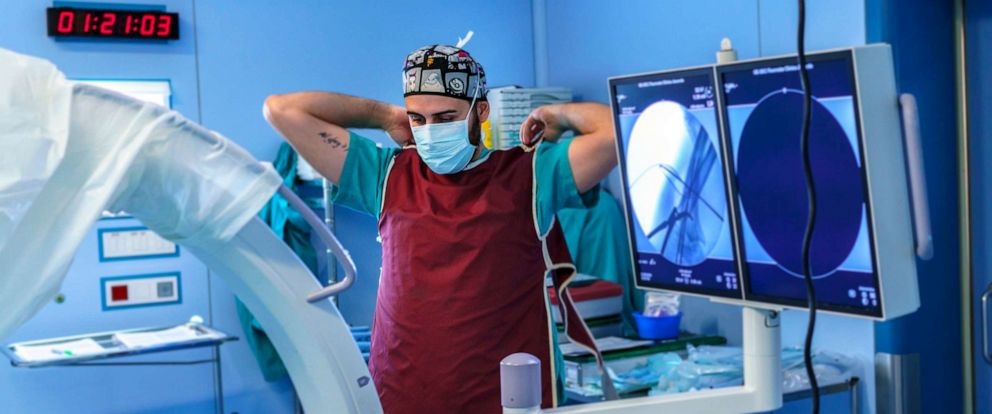
Radiation protection aprons are essential to protect against harmful x-ray radiation. But wearing a random apron may not provide the necessary safety that it is expected to. Staff needs to choose radiation protective aprons that fit correctly and offers adequate protection to be protected.
When choosing a lead apron, style is a crucial factor which professionals should select carefully. X-ray aprons come in a wide range of styles to meet the specific demands of healthcare professionals. It might seem hard to figure out which lead x-ray apron style is best for you. However, the selection process can be broken down into simple steps and here we’ve done this for you.
To select the best style, you can follow these three steps- (1) Selecting the core material, (2) Selecting the protection type, and (3) Determining the right lead apron style.
Core material
There are three main types of core material options available. The first one is standard lead which is the most well-known and made of 100 lead. The next radiation shielding material is a lead-based composite; lead composite x-ray aprons are made up of a combination of lead and other light-weight metals and are up to 25% lighter than typical lead aprons. The non-lead or lead-free shielding material, which is manufactured from different types of attenuating metals such as antimony, tungsten, bismuth, and tin, is the third and final alternative.
Type of protection
When selecting the appropriate lead apron for radiation protection, take into account the type of operation, the duration of the process, and the frequency with which radiation protection will be necessary.
To help you answer these concerns, use the ALARA concept, which stands for “as low as reasonably achievable.”
In the case of the type of protection, the three main types are Front protection, front/back protection, and quick-drop. Frontal protection is ideal for people who simply need front protection during x-ray procedures. In procedures where professionals need to move and turn around, they should wear X-ray aprons with front and back protection. On the other hand, the quick-drop x-ray apron is for professionals who need to drop the x-ray apron without disturbing the sterile environment during operations.
Style
Depending on the protection they offer, there are two main types of style available, and each option has its unique benefits. The types of lead apron styles are frontal protection and front and back protection.
Front protection
Frontal protection lead aprons are suitable for x-ray procedures where it only requires protection from the front, and the professionals or patients won’t need to turn or move in many instances.
Front protection aprons offer three different types of closure options: strap closure, buckle closure, and Velcro closure. To choose the right x-ray apron back type, you need to consider some factors like apron weight, x-ray procedure types, and the procedure length.
The available types of x-ray apron back include the standard plain back apron, fast wrap apron, back relief or support apron, and flex-back apron.
Front/back protection
When it comes to front and back protection, there are various alternatives available, including full wrap aprons and vest/skirt aprons. The following combinations of standard medical x-ray protection levels are usually offered for front/back protective aprons:
- Front 0.50mm and back 0.25mm
- Front 0.35mm and back 0.25mm
- Front 0.25mm and back 0.25mm
Full wrap lead aprons
Full wrap lead aprons come in a variety of forms, namely full overwrap, special procedure, and tabard types, all of which offer optimum protection. During extended operations, full overwrap aprons provide lumbar support, which decreases tiredness and upper back strain. Vest/skirt aprons distribute weight evenly between the shoulders and hips, providing relief from pressure on the upper and lower back.
The full-wrap apron provides the most protection, but it may also limit movement. the vest and skirt aprons with less full-body covering give the user additional flexibility in terms of sitting, bending, or stooping.
Full overwrap aprons
The Velcro-strapped complete overwrap aprons provide optimal radiation protection while reducing back strain during extended procedures. These aprons include the following special-purpose lead apron options-
Special procedure: special procedure aprons contain velcro seams which you can use to separate the sides of the apron when you bend or sit while still providing front protection.
Vest/Skirt Aprons: Vest/skirt aprons provide the user with more flexibility when it comes to sitting, bending, or stooping. The skirt is designed to overlap completely to ensure optimal protection.
Quick Drop X-Ray Apron: The quick-drop apron style is specially designed to maintain an uncontaminated, sterile environment. It’s made to be worn between a scrub suit and a sterile gown.
