

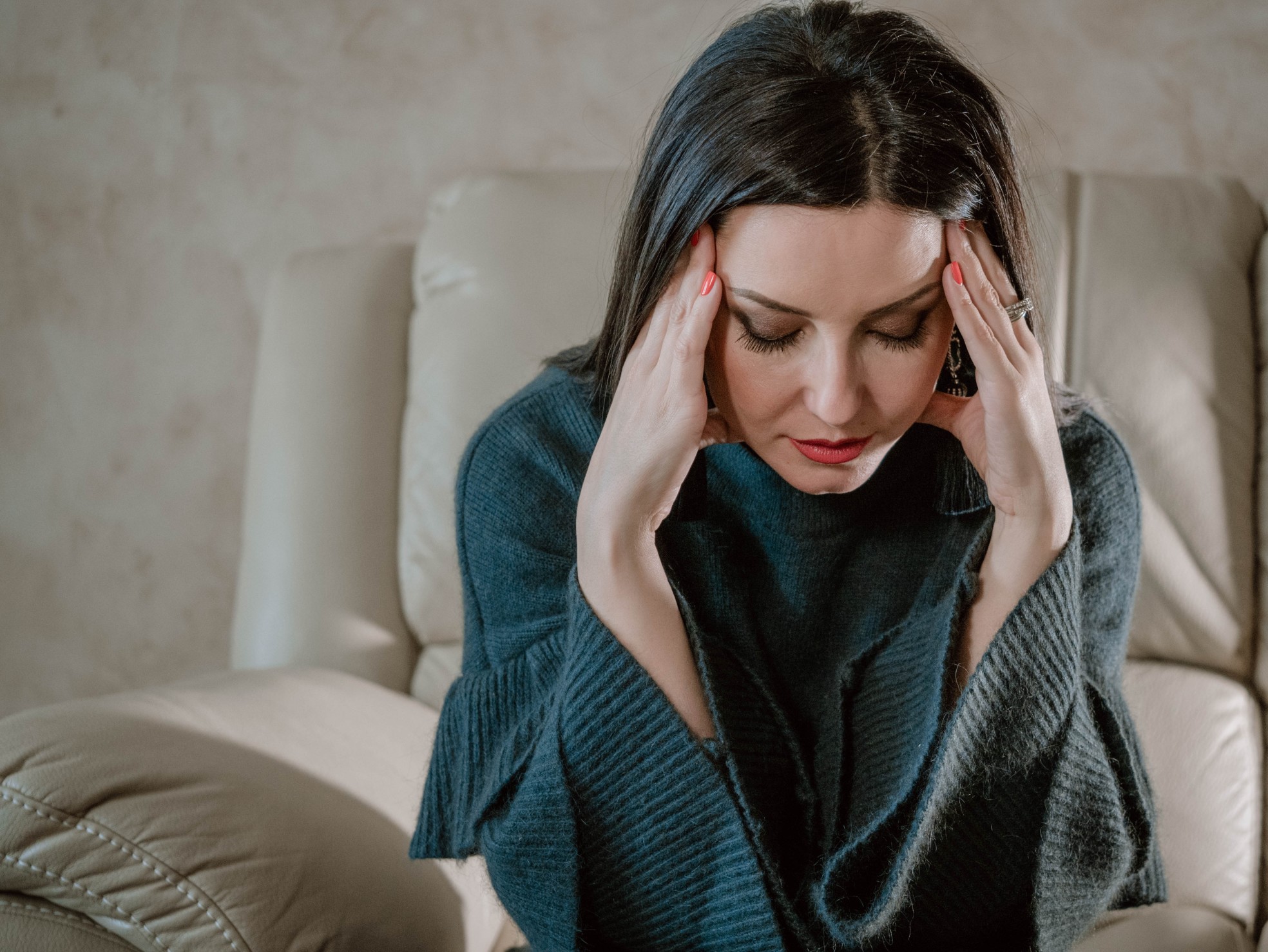
Patients may experience photophobia because of an underlying condition that hasn’t been diagnosed. The condition could lead to intense pain whenever the patient is exposed to brighter light in their home and outdoors. To understand the condition, patients can discuss their sensitivity to light with their doctors or identify ways to cut down on symptom triggers.
What Is It Exactly?
Patients may ask, “what is photophobia?” The condition actually means fear of light in that the patient has developed a phobia of light because light causes severe sensitivities. For many patients that have migraine headaches, photophobia is a primary symptom. The more they are exposed to light the worse their migraine symptoms become.
The common link between photophobia and migraine sufferers is the painful headaches that cause swelling and dryness of the eyes. Exposure to light during a migraine headache intensifies the patient’s pain and discomfort. They may experience pain when in bright sunlight or artificial lighting.
Underlying Connections Between Photophobia and Migraines
Studies show that photophobia happens because the eye cells that detect light are sending irregular signals to nerves in the brain. There is a common link between it and migraines because migraine sufferers have light sensitivity and that triggers their headaches. Tension and cluster headaches are also causes of photophobia.
Are There Other Causes of Photophobia?
Yes, patients with photophobia may have meningitis, serious brain injuries, supranuclear palsy, and tumours in their pituitary gland. They may also experience eye dryness, swelling of the eye, iritis, cataracts, corneal abrasion, and conjunctivitis.
Patients with mental health disorders may also experience photophobia. These conditions include agoraphobia, anxiety, bipolar disorder, depression, and panic disorder. Patients with these conditions who isolate themselves are more likely to remain in the dark or dim lighting, and natural light could trigger photophobia symptoms.
How Is It Diagnosed?
Doctors may use a slit lamp eye examination to diagnose the patient using a microscope. They may also perform an MRI on the patient. A tear film examination could determine if the eyes are overly dry and causing photophobia. A diagnosis for the underlying condition causing the photophobia helps the doctor rule out more detrimental conditions.
How to Cut Down on Symptoms and Triggers
Patients that have light sensitivity may want to decrease triggers in the home to prevent frequent symptoms. Light covers for fluorescent lighting can cut down on the glare that causes pain and discomfort. They can also install film over their window glass that to block the flow of natural lighting.
Doctors can prescribe medications that manage photophobia and decrease symptoms. They may also provide special contact lenses that are tinted to decrease the amount of light that enters the eyes. If the patient is uncomfortable wearing contacts, they can get tinted glasses.
Patients who experience photophobia may have an underlying condition such as migraines or meningitis. The light sensitivity could trigger extreme pain and discomfort. When reviewing underlying conditions, doctors may conduct examinations and MRIs. Patients can learn more about decreasing their symptoms at home by contacting a supplier now.
